
Welcome back to the UK. Here are some pictures taken from sunny Hampshire.

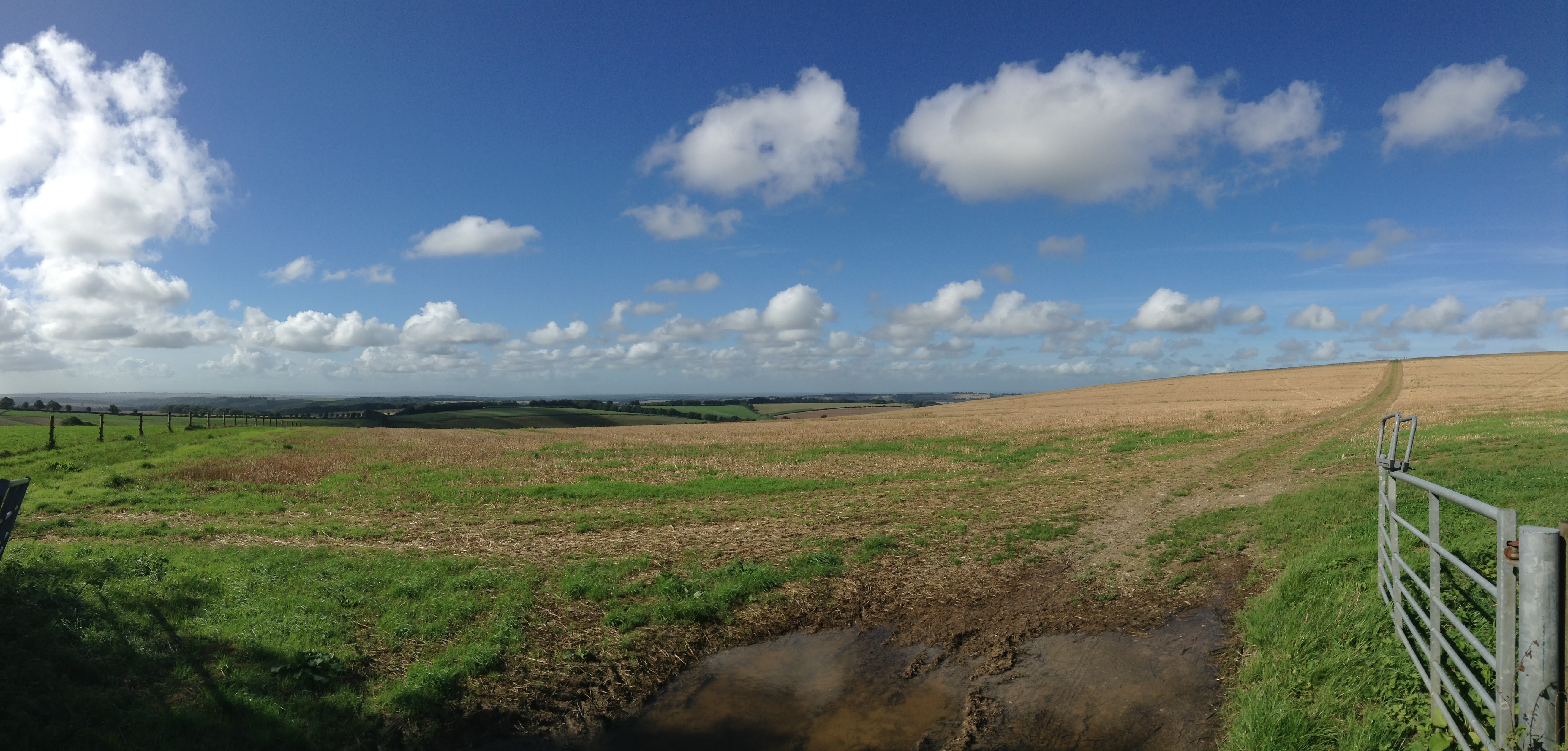

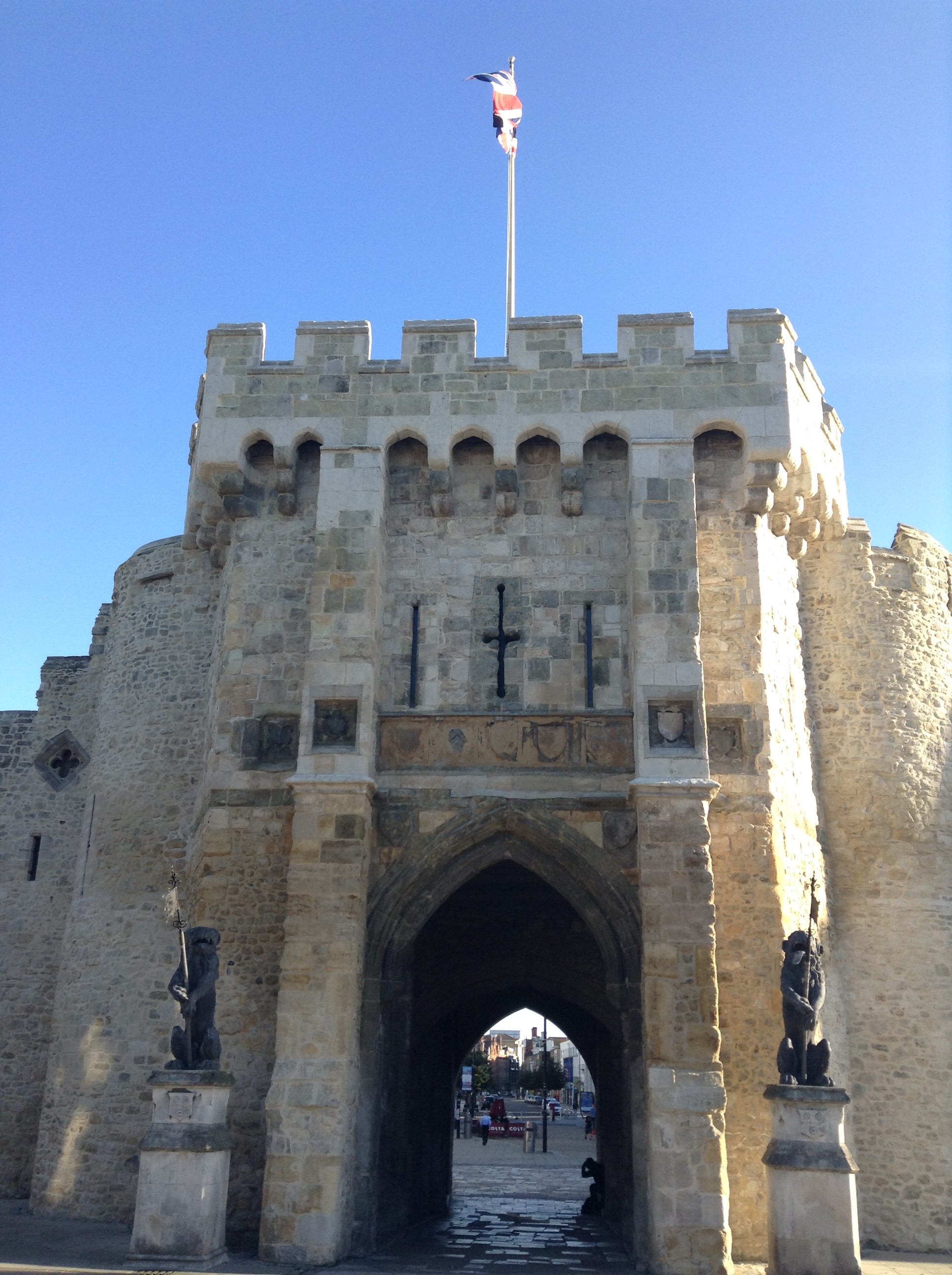
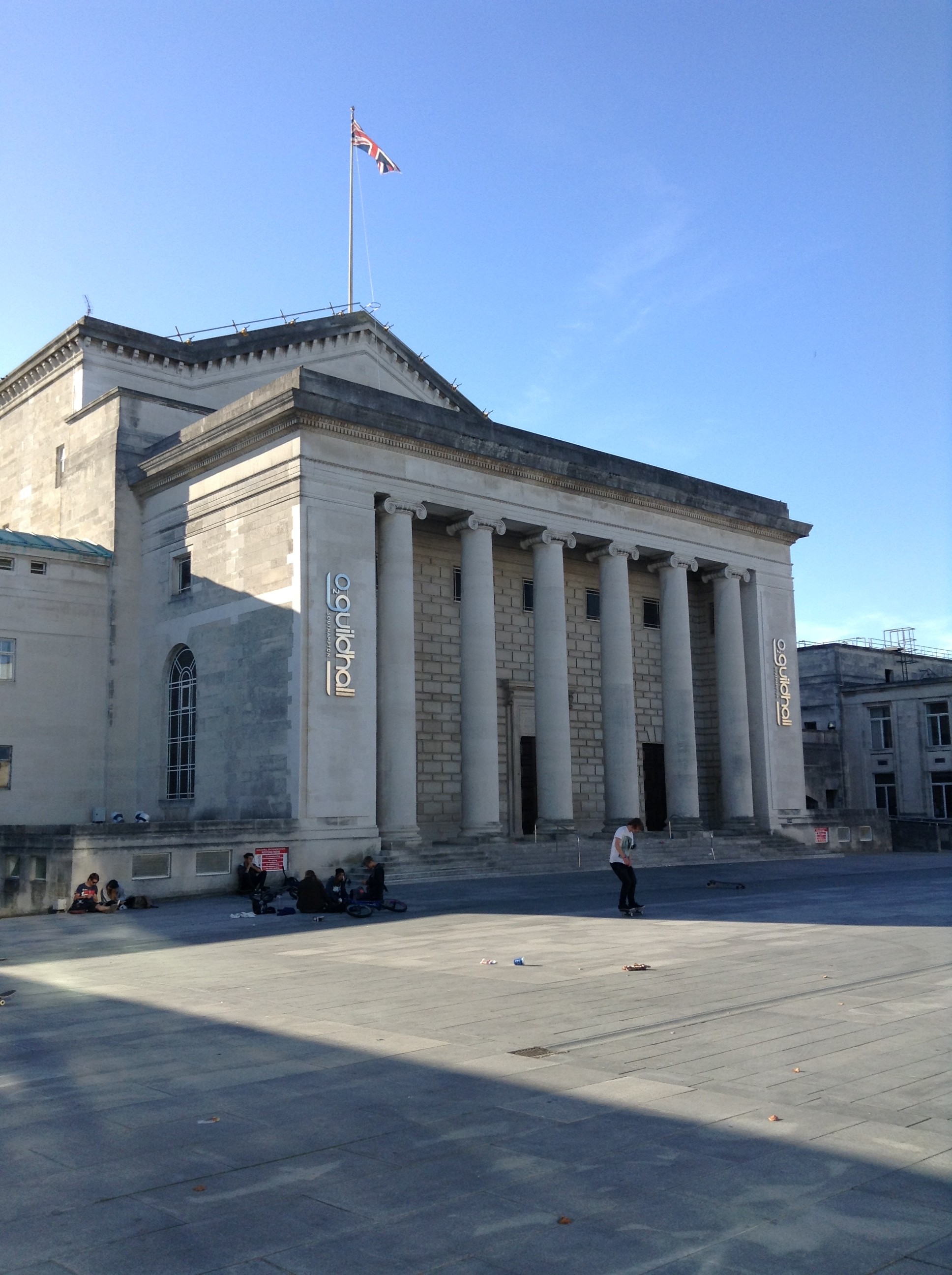
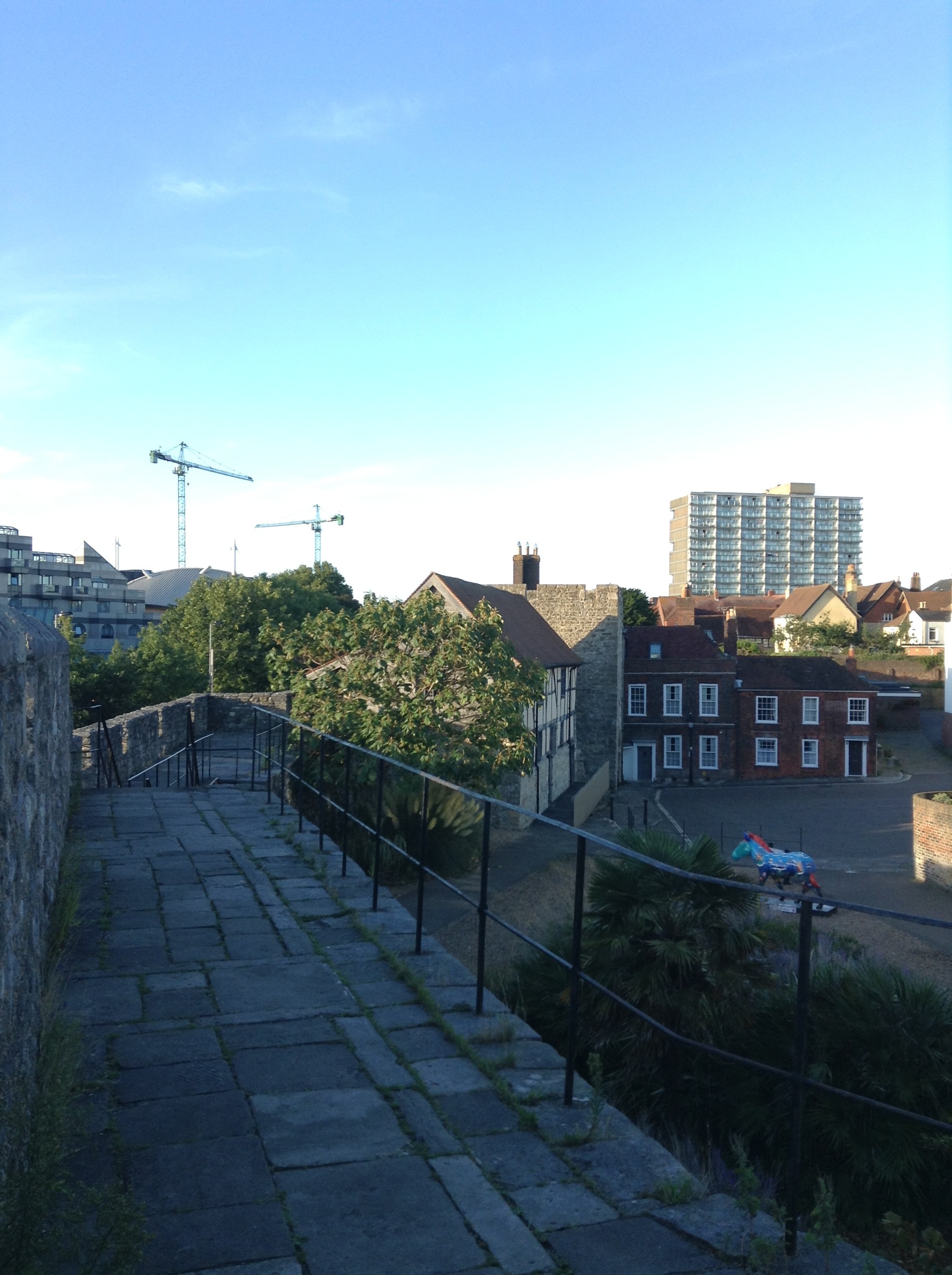

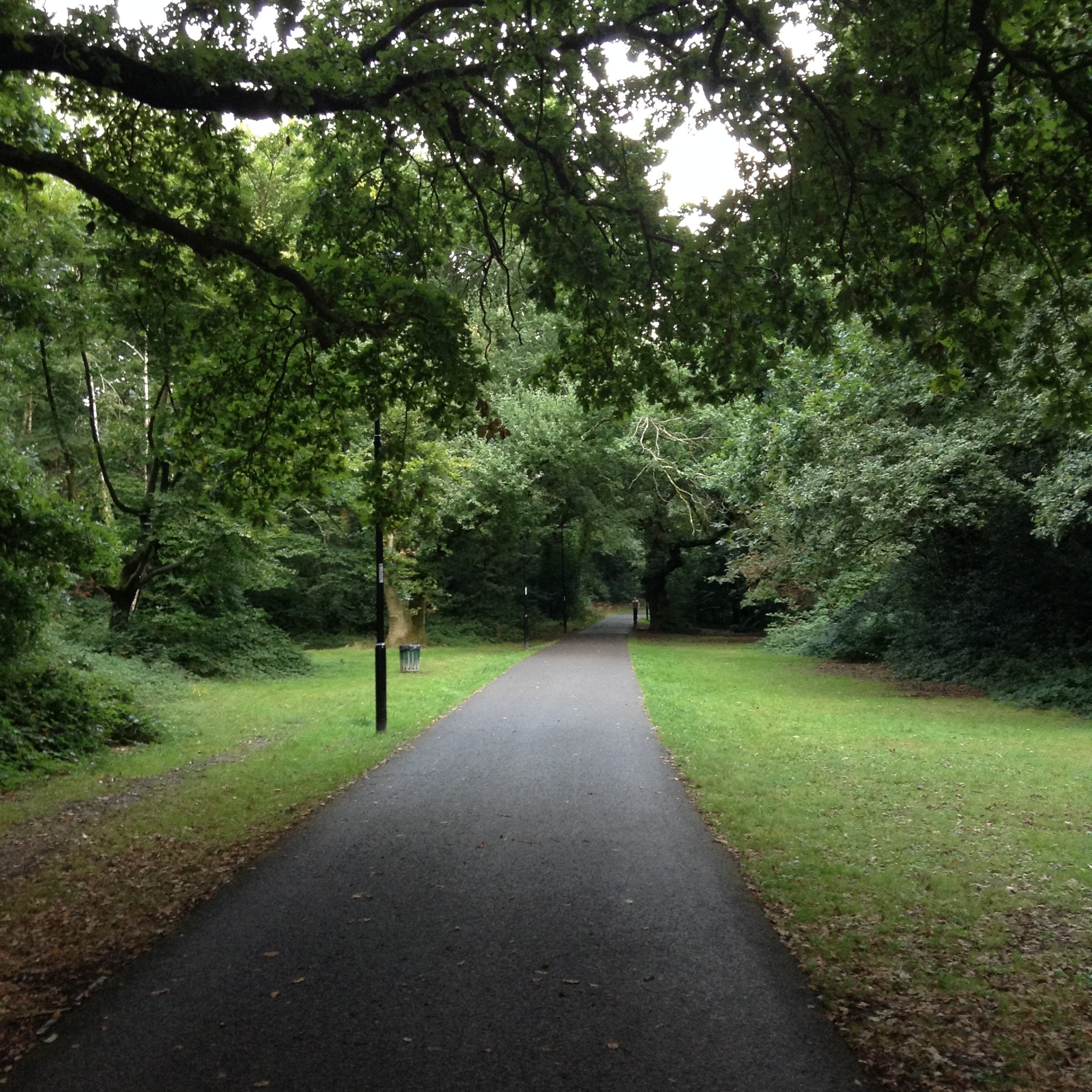
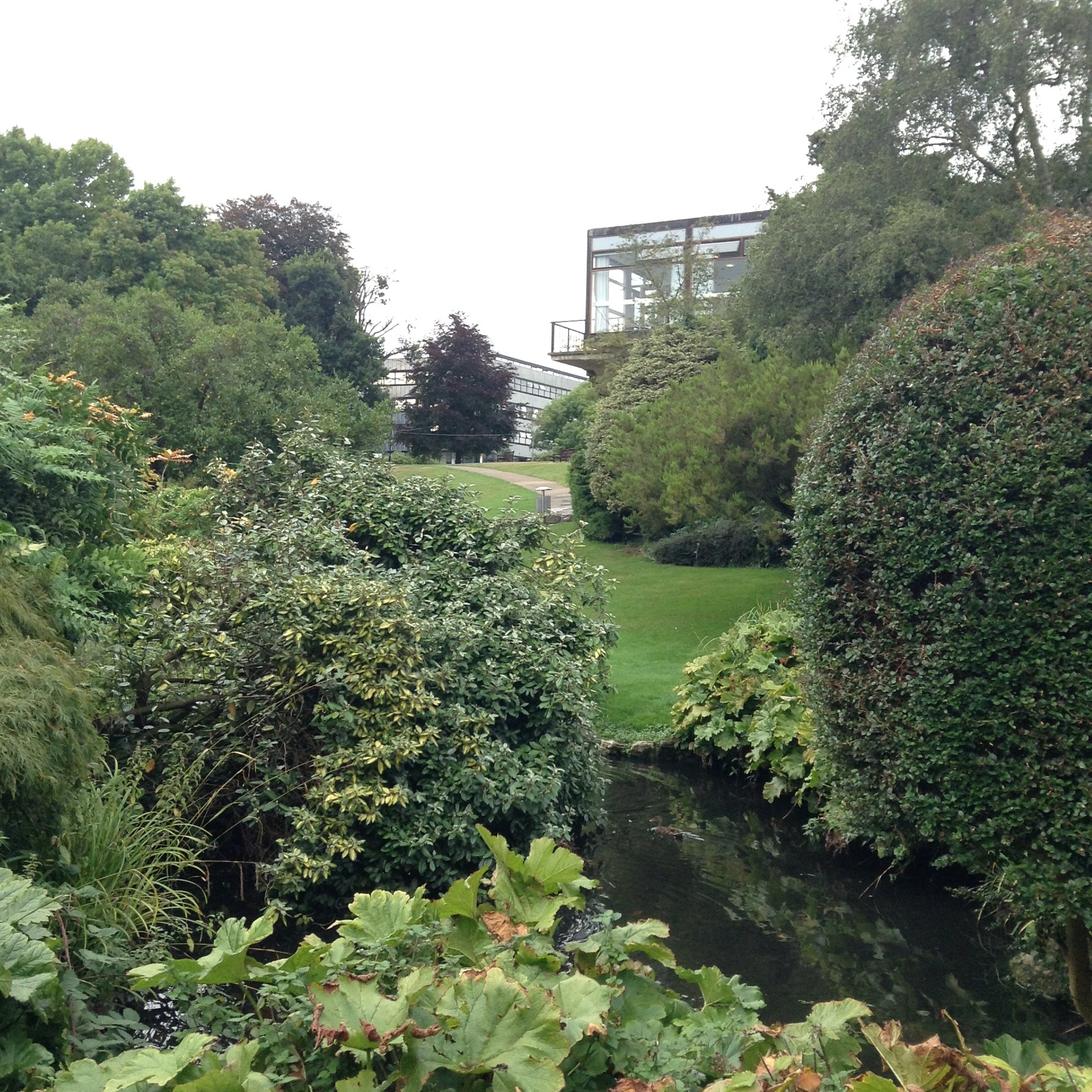
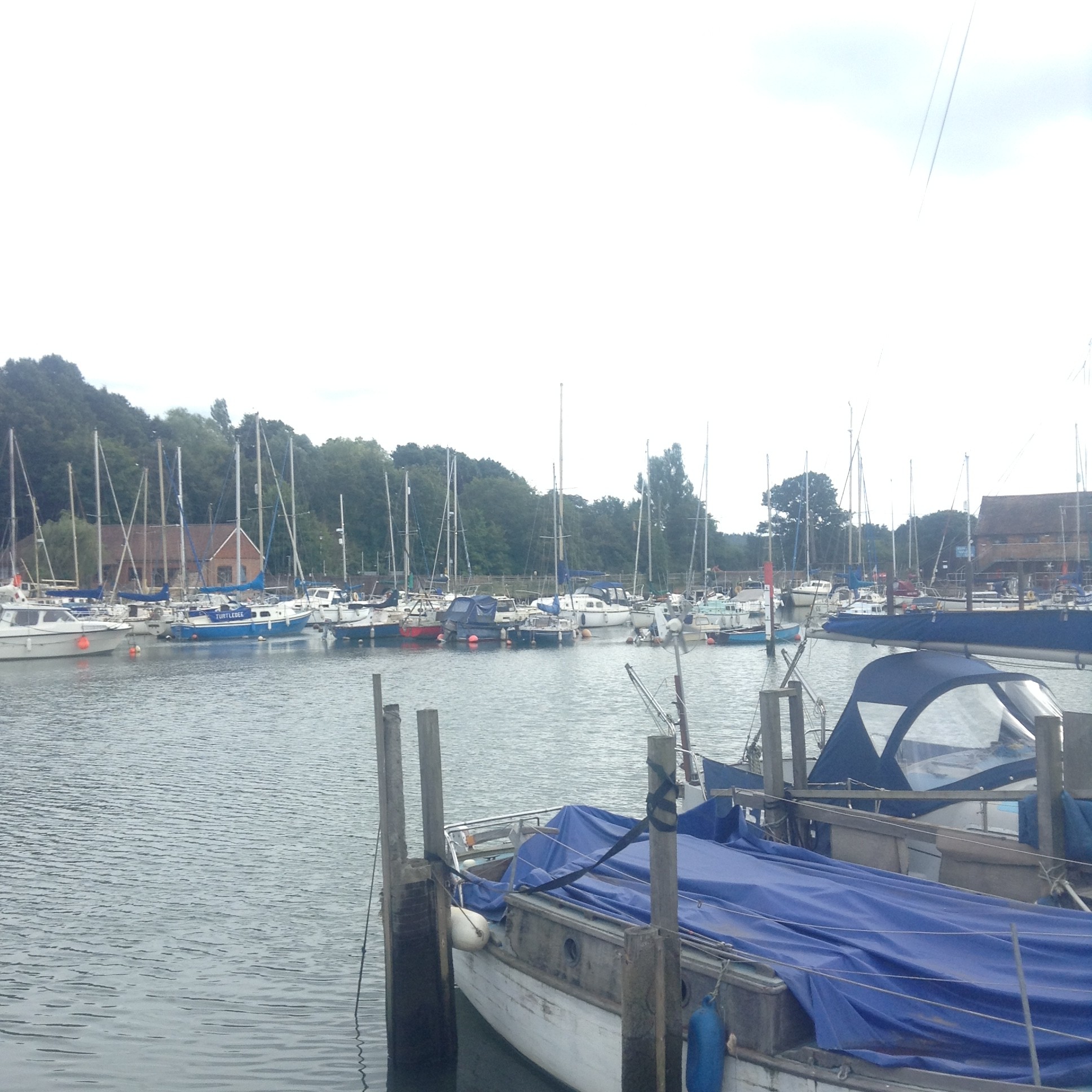
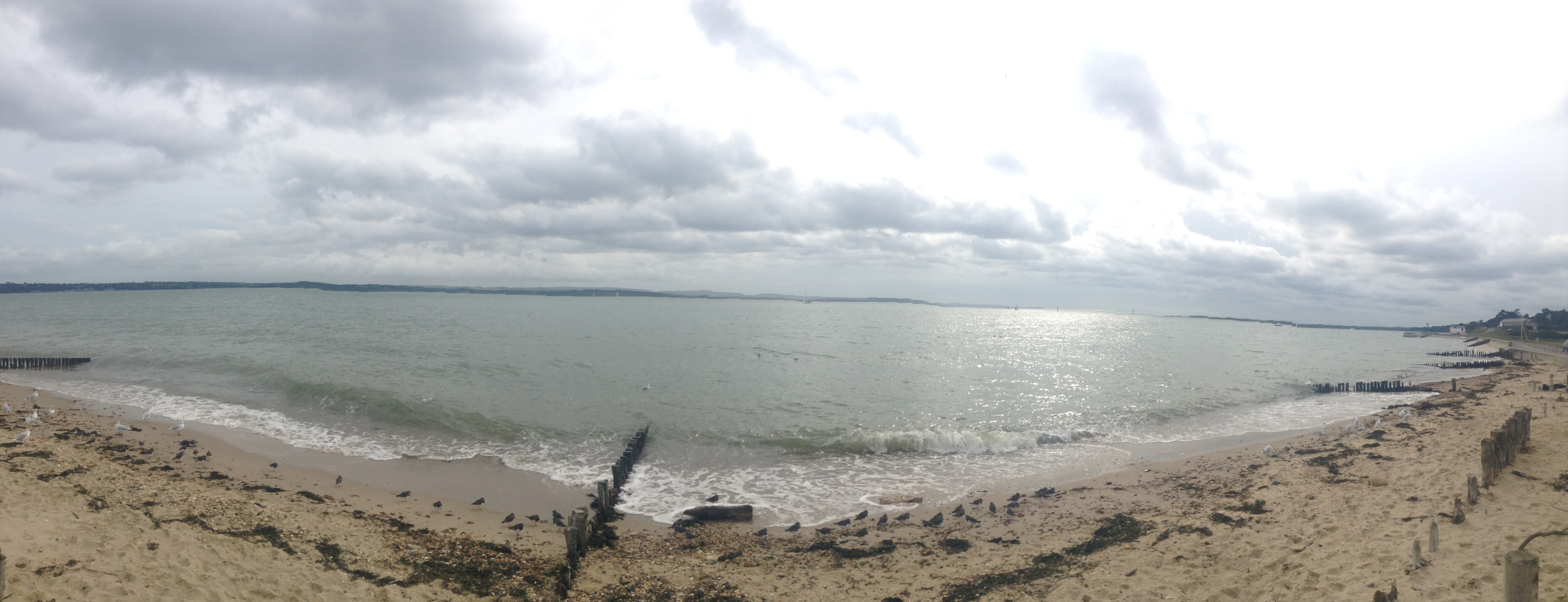
Welcome back to the UK. Here are some pictures taken from sunny Hampshire.
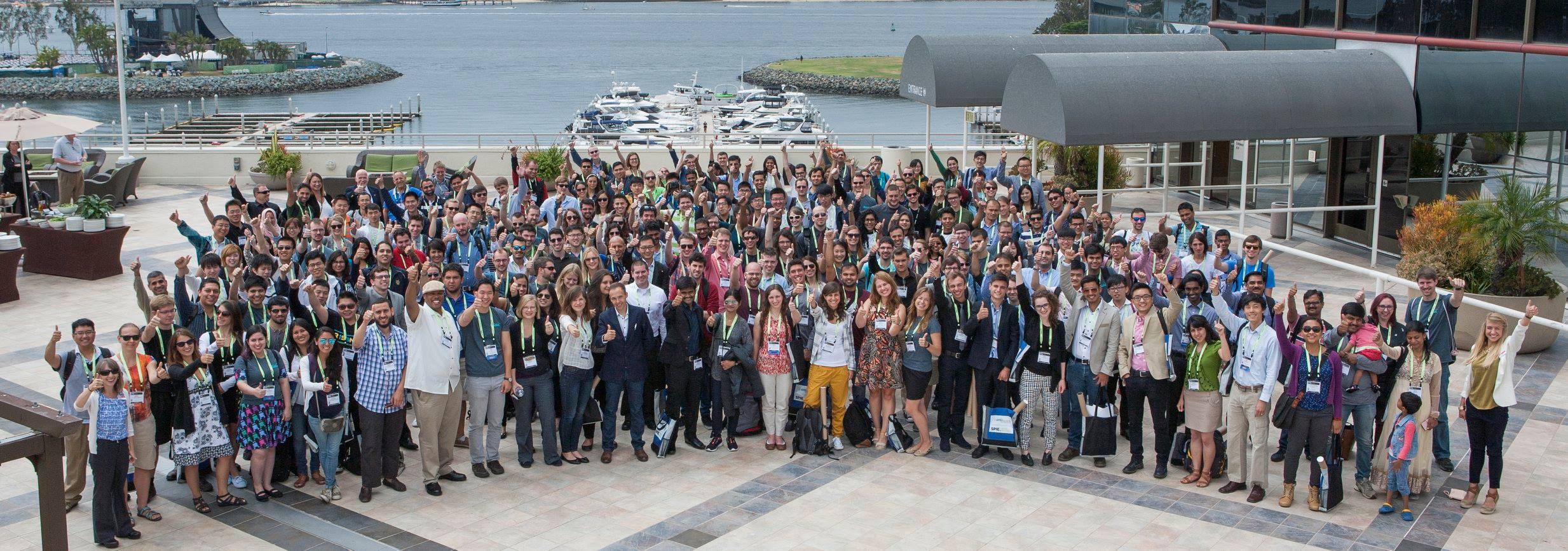
Last week I attended a Student Leadership Workshop in the sunny town of San Diego, California. Over 240 students from over 30 different countries congregated at a large international meeting called Optics + Photonics that was organised by the SPIE. I had the pleasure to meet students at various stages of their education (both undergraduate and postgraduate), conference organisers, workers in universities and in private companies. The workshop was run by a very well-spoken gentleman, Jean-Luc Doumont, and over the course of the day explored the theme of leadership through group activities, presentations and role plays.
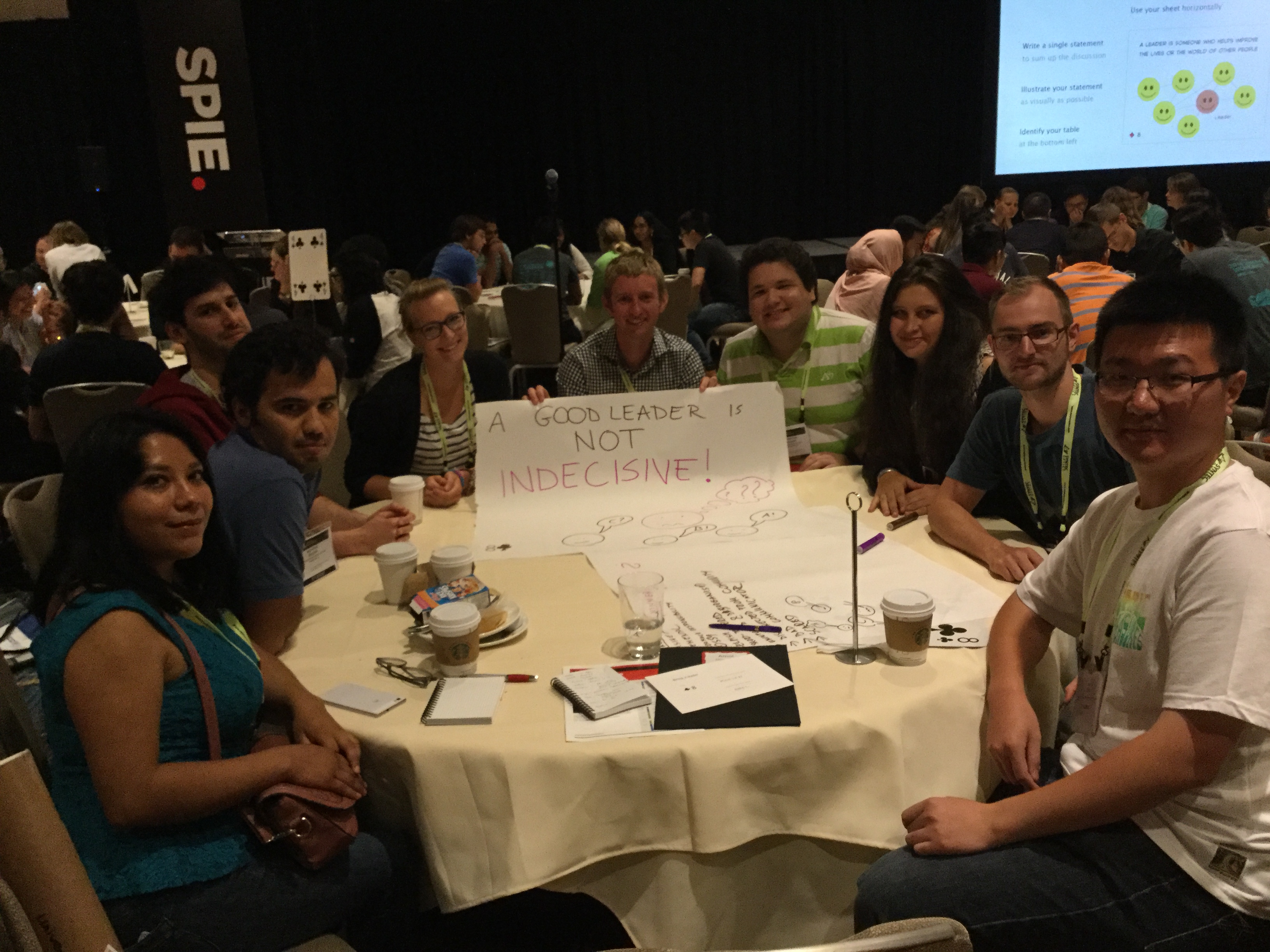
At the start of the day 26 groups set about a creative brainstorm, half on what a leader is and the remainder on what a leader is not. My group quickly decided that a good leader is not indecisive. Indecisiveness is second nature to me, so it was uncomfortable to hear a lot of valid reasons of how my leading ability could be hindered by my personality. We discussed this a lot, and I found that one could become decisive through listening and asking questions: to make informed decisions, and strive to clearly communicate ideas and visions for a group to steer itself through a process. Being indecisive, listening and asking questions are three things I can do very well, I would like to think. I must practice to balance these for the sake of productivity!
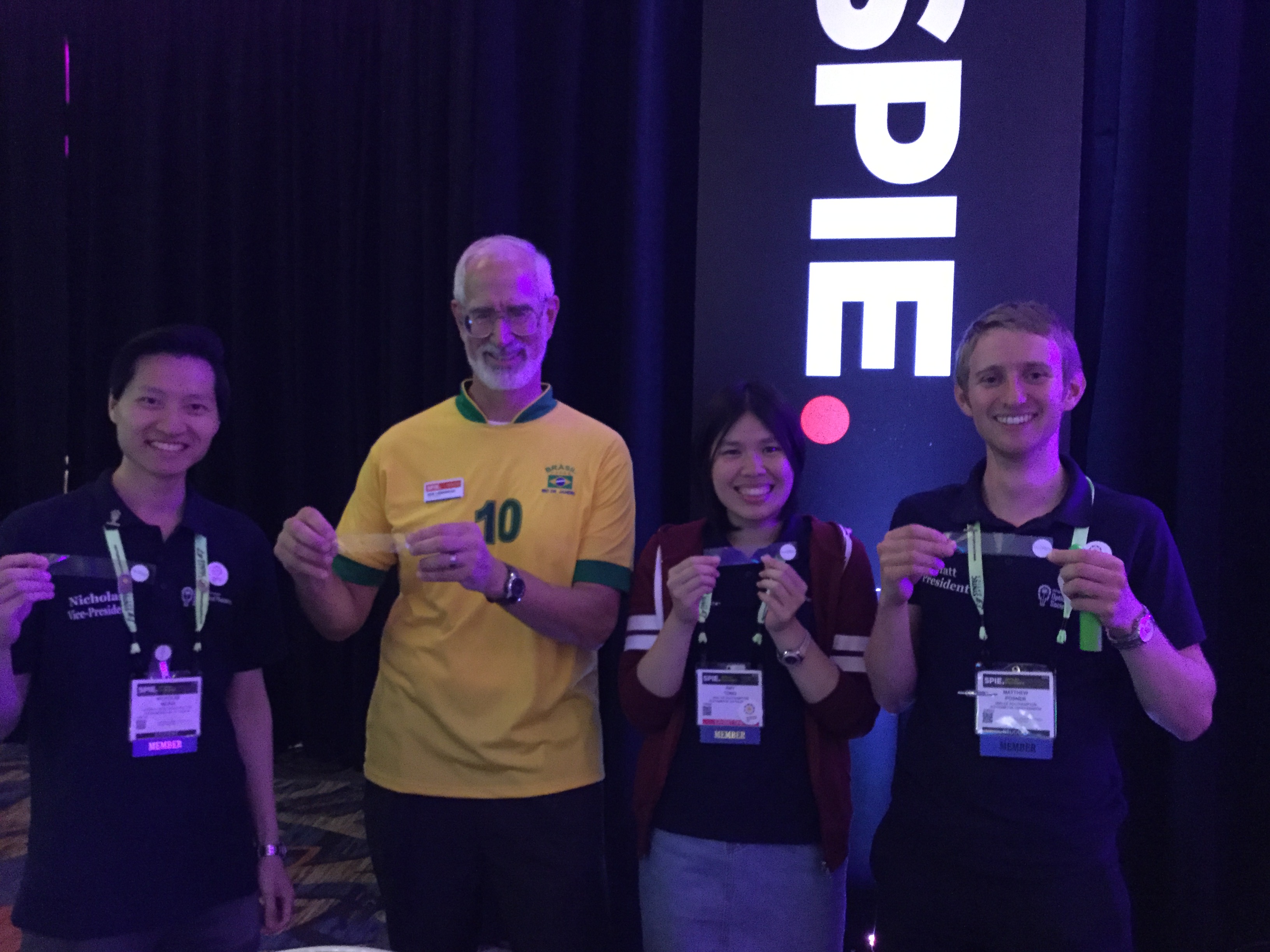
“Leader-ship”. 2 words: leader and ship. Why would one take the responsibility to lead a ship? I have met people who think they are the best for the role, and some who feel a duty to step into the leader’s shoes simply because someone must. Someone at the workshop said that people volunteer to lead, and I can agree with that statement from my humble experience. I volunteered to take the reins of the Optics and Photonics Society (OPSoc), and I volunteered to attend this workshop in San Diego. In return, the SPIE supported me through a travel grant, and the OPSoc gave me access to a wonderful community of people that like to get together (preferably in a sunny place!). “Leaders coming together” feels to me like a chore; “volunteers coming together” feels much richer. My leadership roles have taken me to some incredible places and my path has crossed those of some incredible people. I will continue to make the time to volunteer; there, I’ve said it and so please hold me accountable to it.
This Tuesday I visited the University of California, Berkeley. I had an excellent afternoon running an outreach workshop with the kit that I am touring.
With a group of 8 graduate students we explored 3 different themes of photonics, i.e. the science of light (photons). We used hands-on experiments to experience scientific phenomena on mirrors & reflections, the electromagnetic spectrum and telecommunications. Easier possibly shown in video.
Mirrors can be made to create illusions. The Secret Savings box is not magic. The floating ball is actually half a ball stuck on a diagonal mirror. The other half of the ball is a mirror image. The coin disappears behind the mirror when dropped in the top of the box.
White light isn't white. Right? We see it in rainbows, where sun light can be split into red, orange, yellow, green, blue, indigo, violet, ... This is the visible light of the electromagnetic spectrum.
This plastic sheet is a diffraction grating, a rainbow maker. The plastic has thousands of lines engraved in it, a grating. The grating splits the different colours of the light by changing the direction of travel of each different colour. Gratings can be used to filter light, reflect it, block it, or make it change direction.
Light travels in a straight line, but it can be made to bend and change directions in materials such as glass or plastic. This effect is called total internal reflection and is the fundamental principle of operation of fibre optics.
Fibre optics are strands of glass that physically connect the world to carry messages and information, in the form of light, and are the skeleton of the internet.
I hope you get the feeling that these are very hands-on demos!
One important point was raised during the workshop. It remains a challenge to explain the scientific intricacies to a public that is not familiar with the underlying science and applications. That is where the practical experiments come in handy, as experiencing these effects can lead to questions and richer engagement. I, the researcher, can inform and help my audience form an opinion on the subject matter and broaden their horizon.
I am very grateful to Stephan, Joe and Mimi from the University of Southampton’s ILIAD team for the help in making these Vine clips and setting up this Tumblr page with more examples of hands-on optics experiments.
Thank you again to the UC Berkeley Photobears Society for the warm welcome and hospitality.
Comments open for discussion.
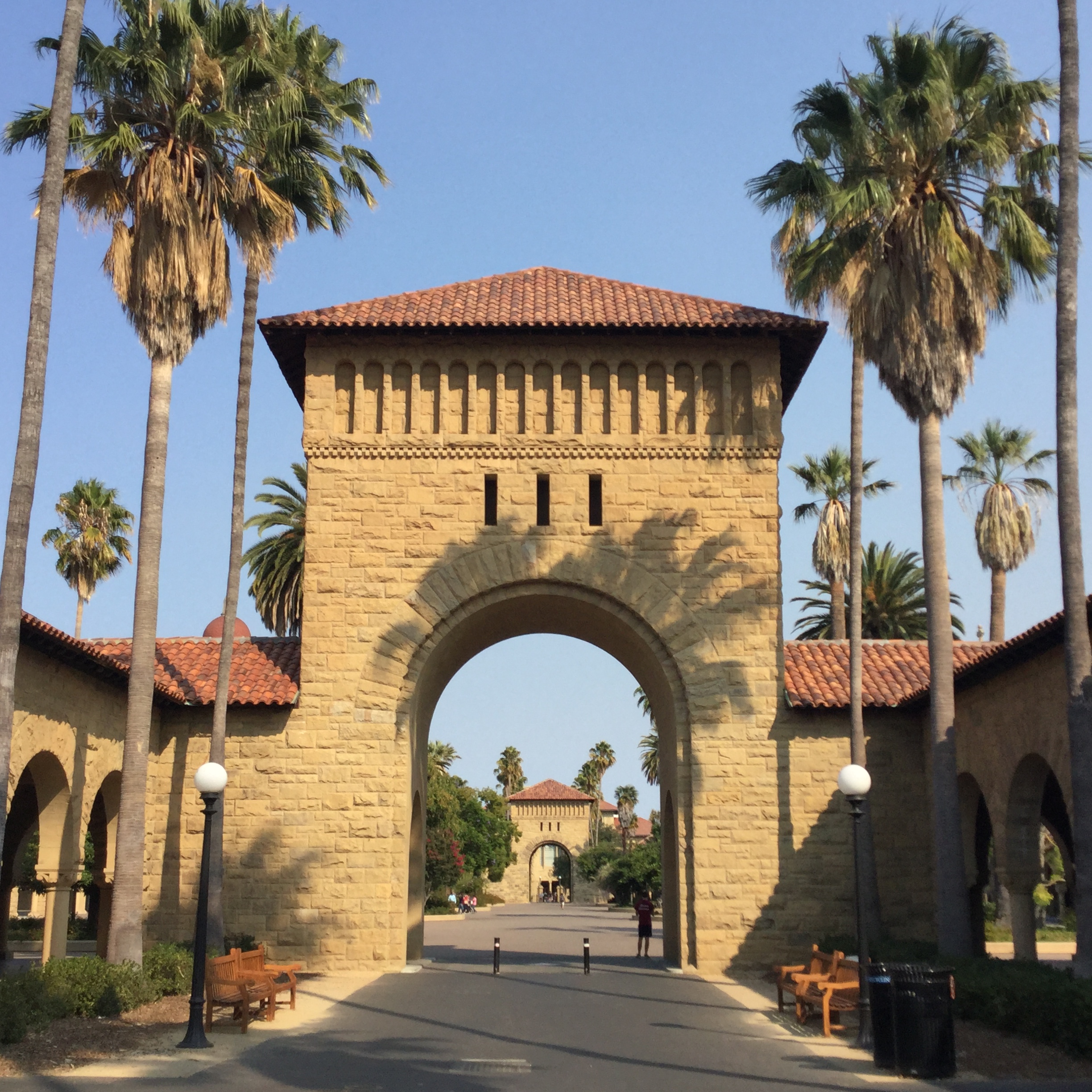
On Monday 22nd August I visited Stanford University. It’s an impressive campus. I loved the architecture, I really enjoyed there being palm trees, and the university has a great free shuttle bus service to transport visitors all around it.
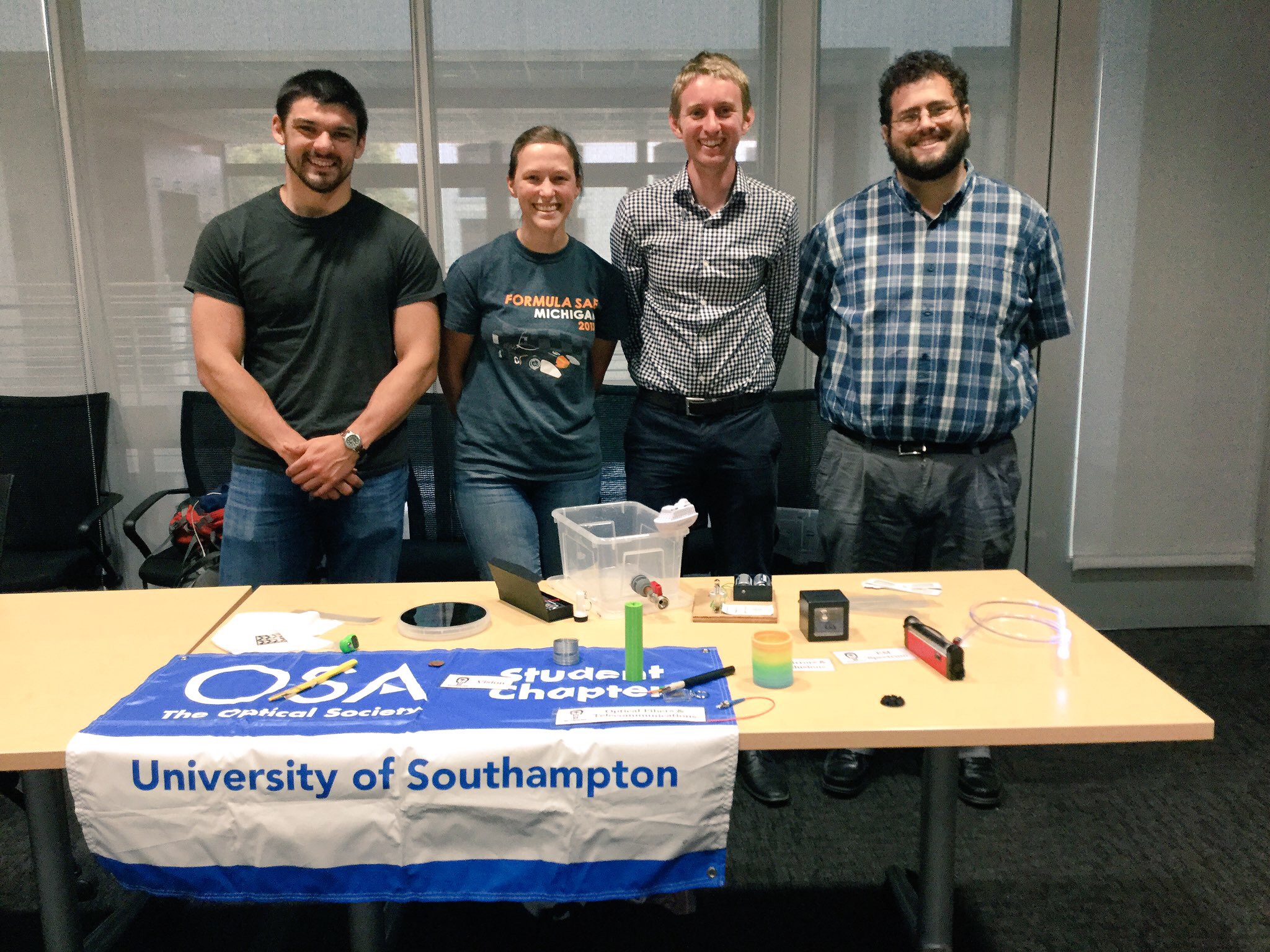
I met with members from Stanford’s Optical Society. I presented examples from the activities that I have been running with the University of Southampton’s Optics and Photonics society and I had the opportunity to demonstrate the portable outreach workshop that I am touring. There was a lot of interest in the optics and telecommunications classes for school pupils that I and fellow PhD students have developed in Southampton; it would be amazing if these classes could be reproduced outside of the UK!
The presentation was really a 2-way discussion and I learnt a lot about their society. They have an impressive exec team, with a huge number of officers engaged in running their activities, be it social, charity, outreach, education or academic.
I found out about some of the original initiatives they have put into place to enrich the student experience of their members. Here are a few that inspired me, and that I hope can inspire others!
I went to give a presentation, but at the end of the day I learnt a lot; I wish that these ideas will provide long-lasting inspiration to myself and others taking on voluntary roles in student societies. Thanks again to the Stanford Optical Society team for the warm welcome, I had a wonderful afternoon.
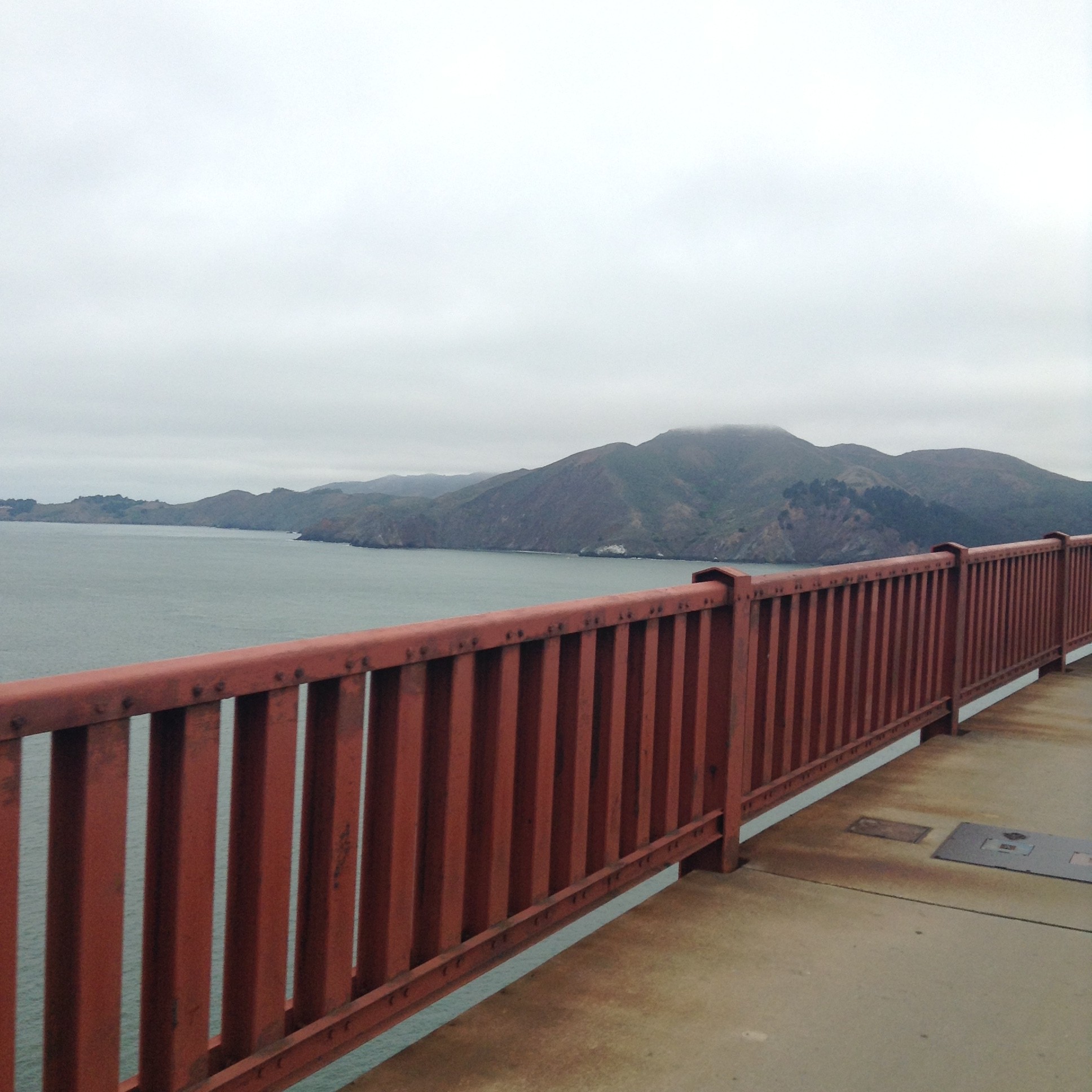
Welcome to my gallery of my trip through California. Enjoy!
Update February 2018! See my latest post on my trip to Photonics West 2018.


Summer 2016 in California.
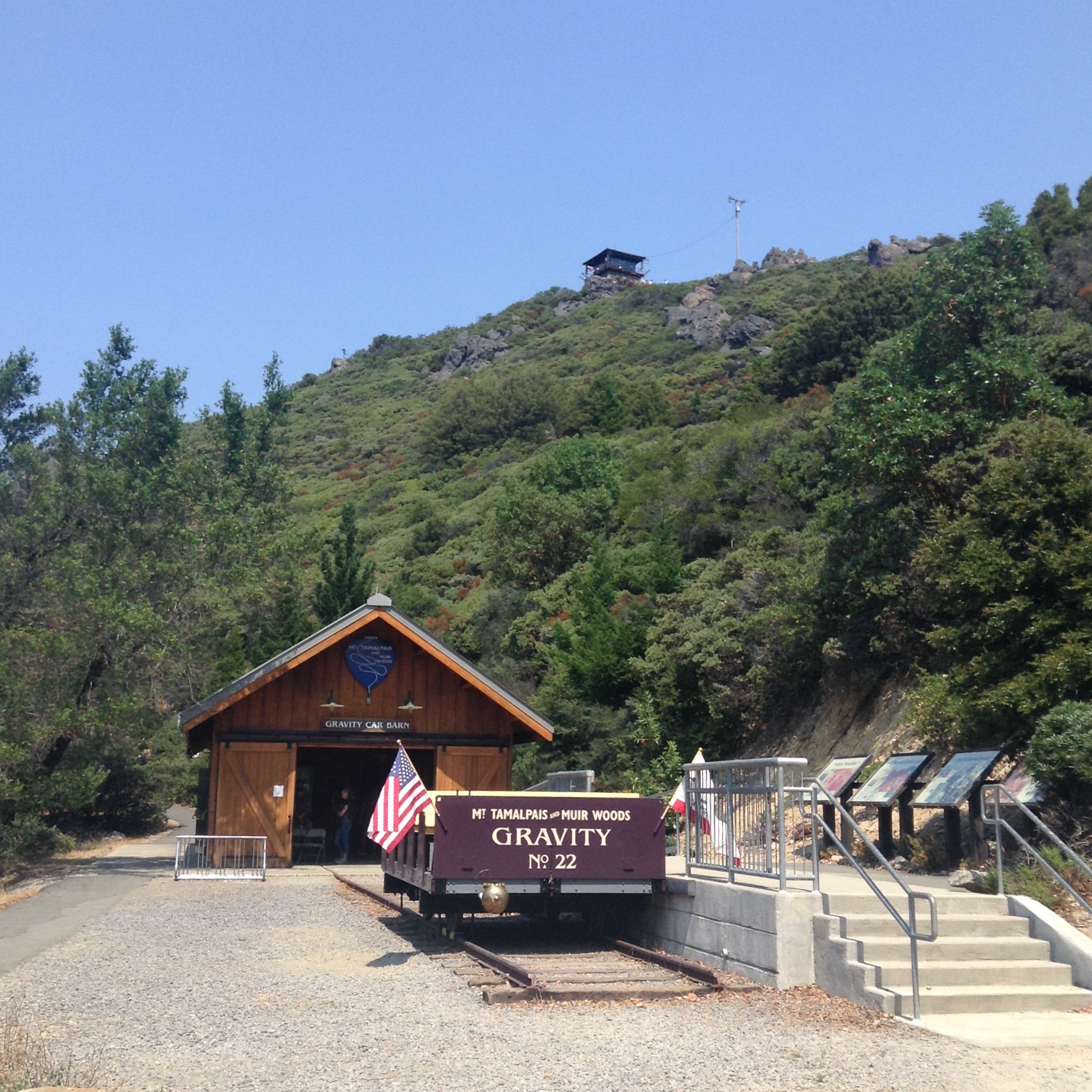
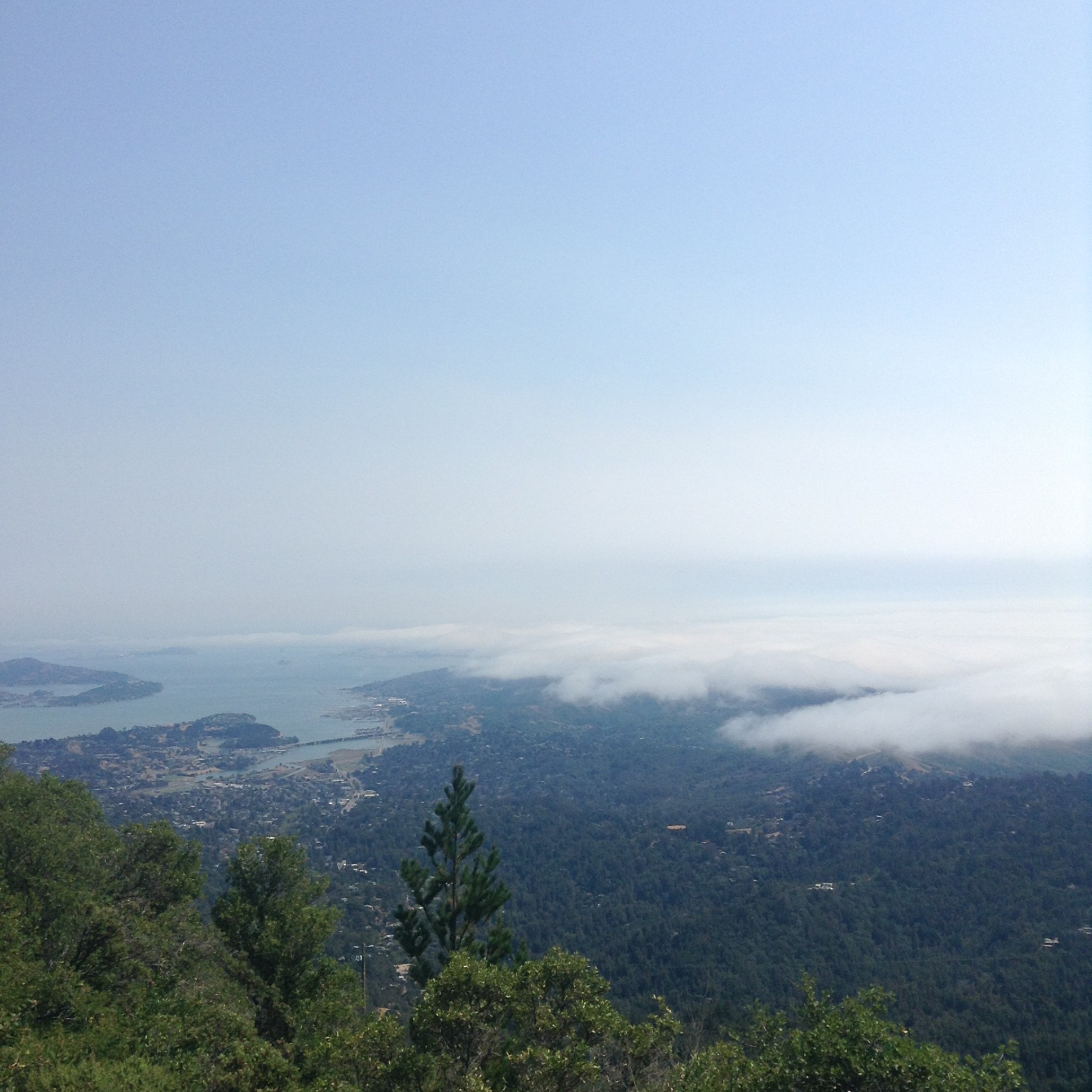
When in Montreal…
Parlons français! // French spoken here!
À Montréal c’est pratique d’être bilingue! Je passe la semaine chez Laurie, une très chère amie de mes années collégiennes et lycéennes en France. C’ést génial de passer du temps avec elle à découvrir la ville et rencontrer ses amis. Par le plus grand hasard Max, un ami d’enfance, habite à Montreal aussi!
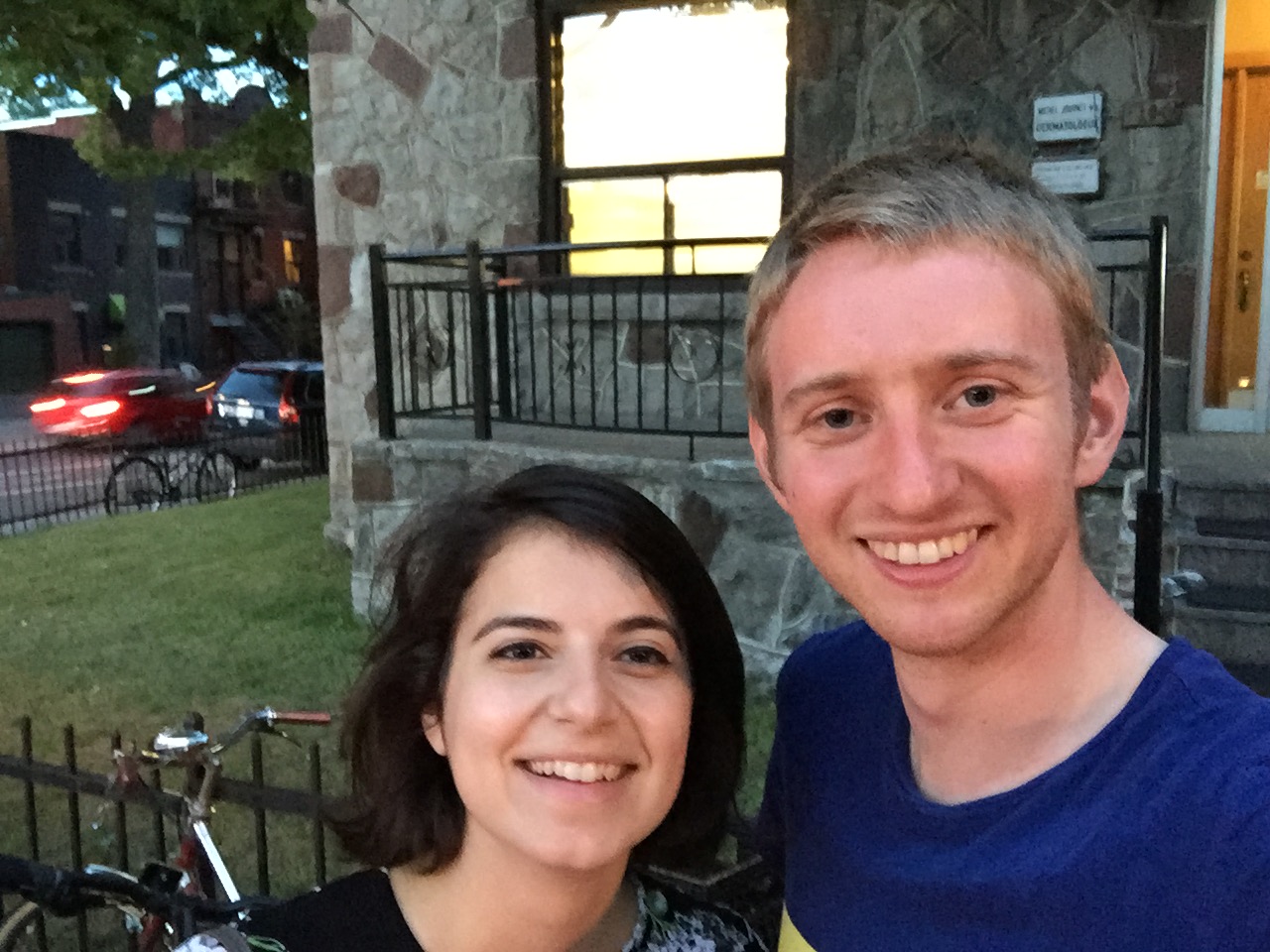
Je profite d’être en ville pour continuer mon tour des universités de l’Amérique du Nord. La population étudiante montréalaise est énorme, avec pas moins de 9 universités à travers la ville. Ça me permet donc de visiter la ville en allant d’un campus à un autre, et j’ai la chance de pouvoir me déplacer avec un vélo emprunté à une des collocs de Laurie.
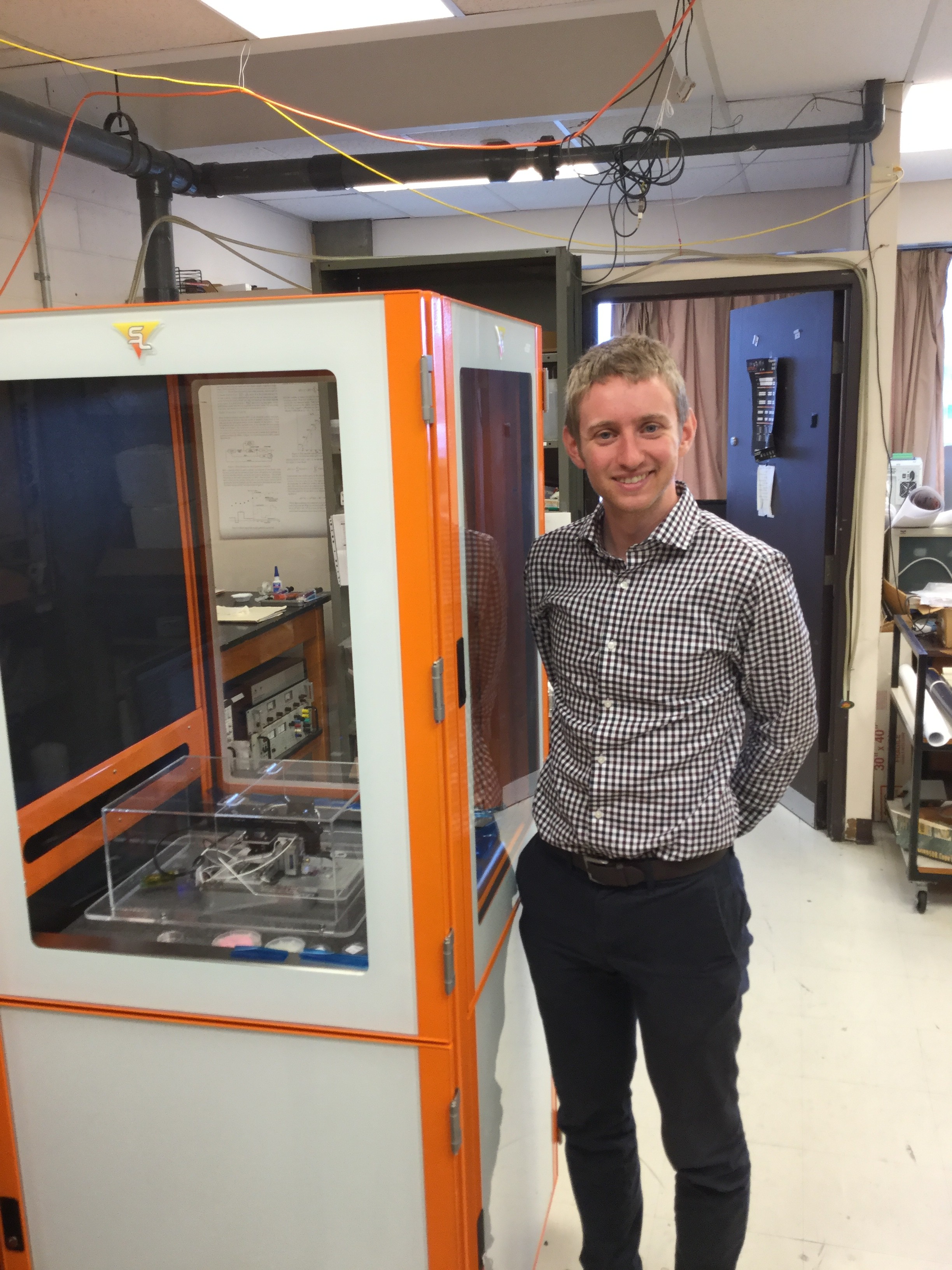
J’ai donc commencé par une visite à McGill, une université plutôt anglophone. Lors de ma conférence à Vancouver j’ai rencontré un chercheur, Sasa Ristic, et il m’a invité à visiter son labo lors de mon passage en ville. Il travaille avec un outil pour faire de la nanolithographie, c’est à dire l’écriture de formes avec des tailles à l’échelle du nanomètre, soit 1,000 à 100,000 fois plus petites que l’épaisseur d’un de nos cheveux.
Pour quoi faire? Les transistors, par exemple, qui font fonctionner nos téléphones et nos ordinateurs se miniaturisent depuis plus de 50 ans, et aujourd’hui leur taille est à l’échelle du nanomètre. Des outils d’ingénierie ont été développés pour créer ces composants nanométriques, et en ce faisant les chercheurs ont su identifier d’autres opportunités pour l’utilisation de ces machines de ‘nanofabrication’. Me voilà donc en compagnie d’un outil dont on commence à rechercher comment l’employer pour des nouvelles techniques de fabrication.
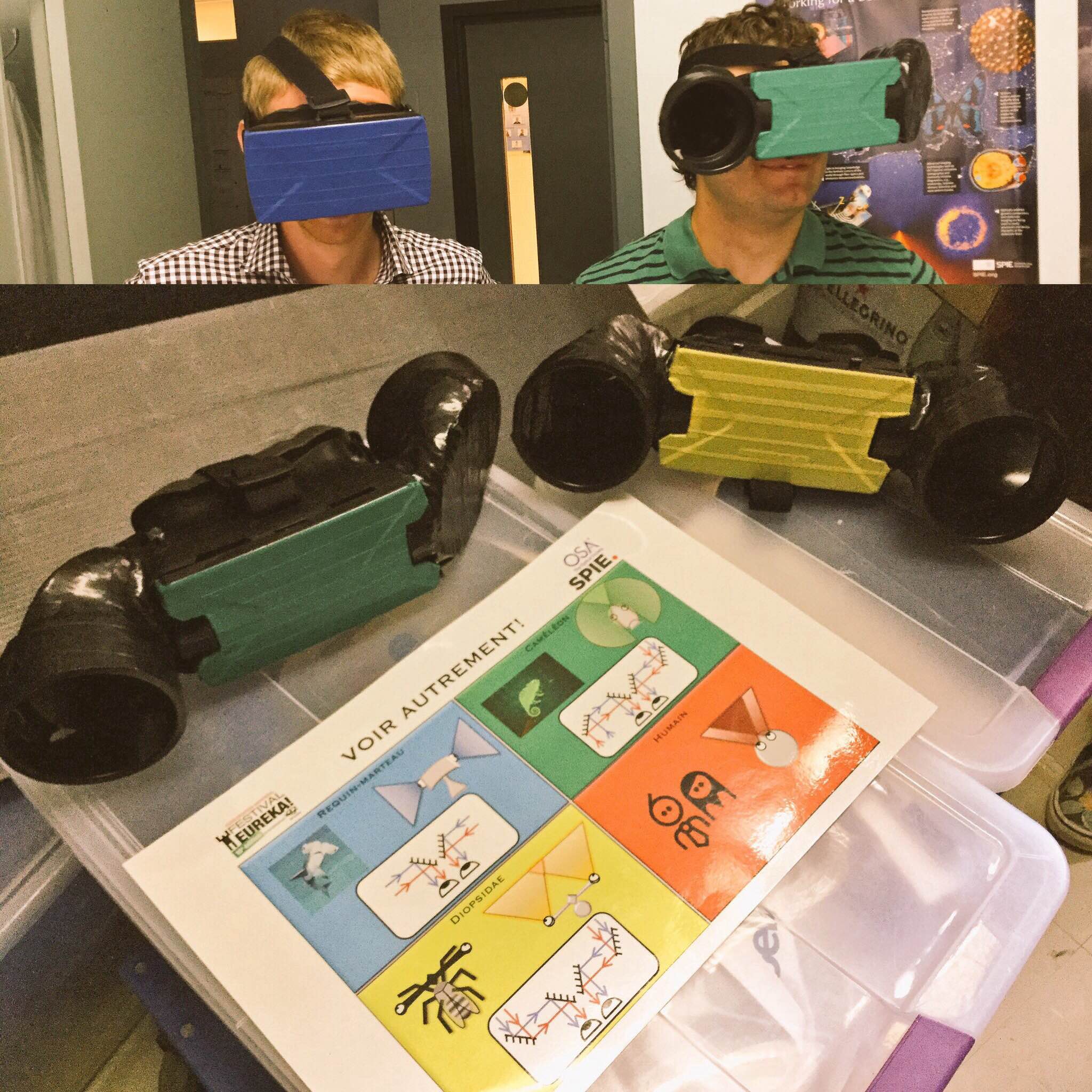
Je suis passé visité l’Ecole Polytechnique de Montreal pour rencontrer le comité de leur association étudiante OSA et SPIE. C’est très inspirant de voir ce que d’autres groupes autour du monde mettent en œuvre pour leur membre. Ils organisent des séminaires sur comment rédiger des articles scientifiques, des concours de culture générale entre étudiants et professeurs, et participent à des festivals de science pour le grand public, tels que le festival Eurêka qui se déroule au Vieux Port de Montreal. Me voici avec Jean-Sébastien en train de de voir le monde à travers les yeux de différents animaux!
Je fus particulièrement impressionné d’apprendre que les associations étudiantes en photoniques dans l’est du Canada se retrouvent tous les ans pour discuter et organiser des rassemblements internationaux d’étudiants pour une conférence.
Merci à tous pour l’accueil chaleureux lors de mon séjour en ville!
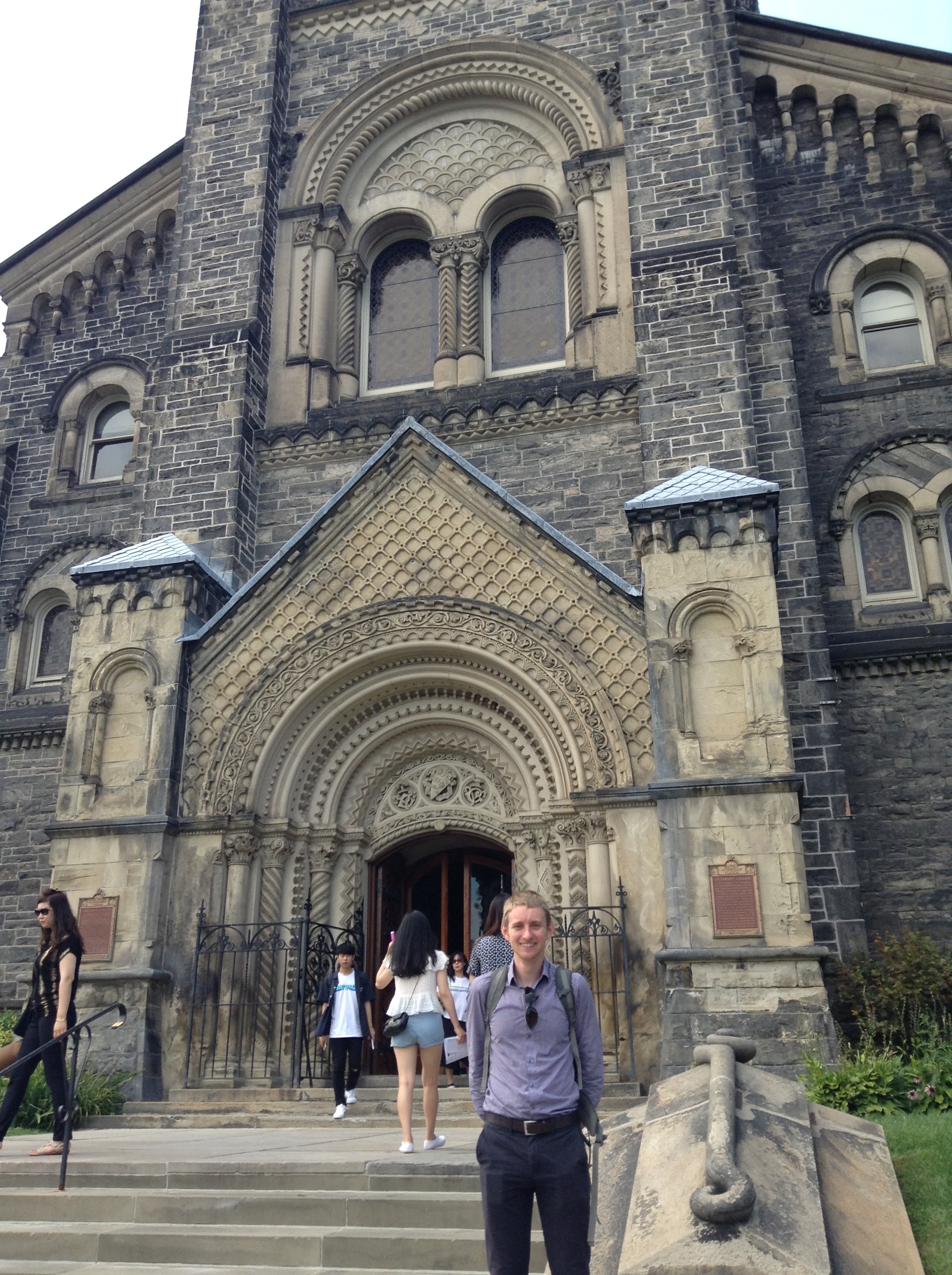
On Thursday 11th August I visited the University of Toronto. Their SPIE student chapter hosted me for the day, and I had the chance to visit Professor Peter Herman’s research labs, and exchange ideas with researchers and students whom I met. This article is going to look quite academic, with a number of references to conference papers that I have published; they are numbered in square brackets – like this: [1], [2], etc. – and I promised I’d send them through.
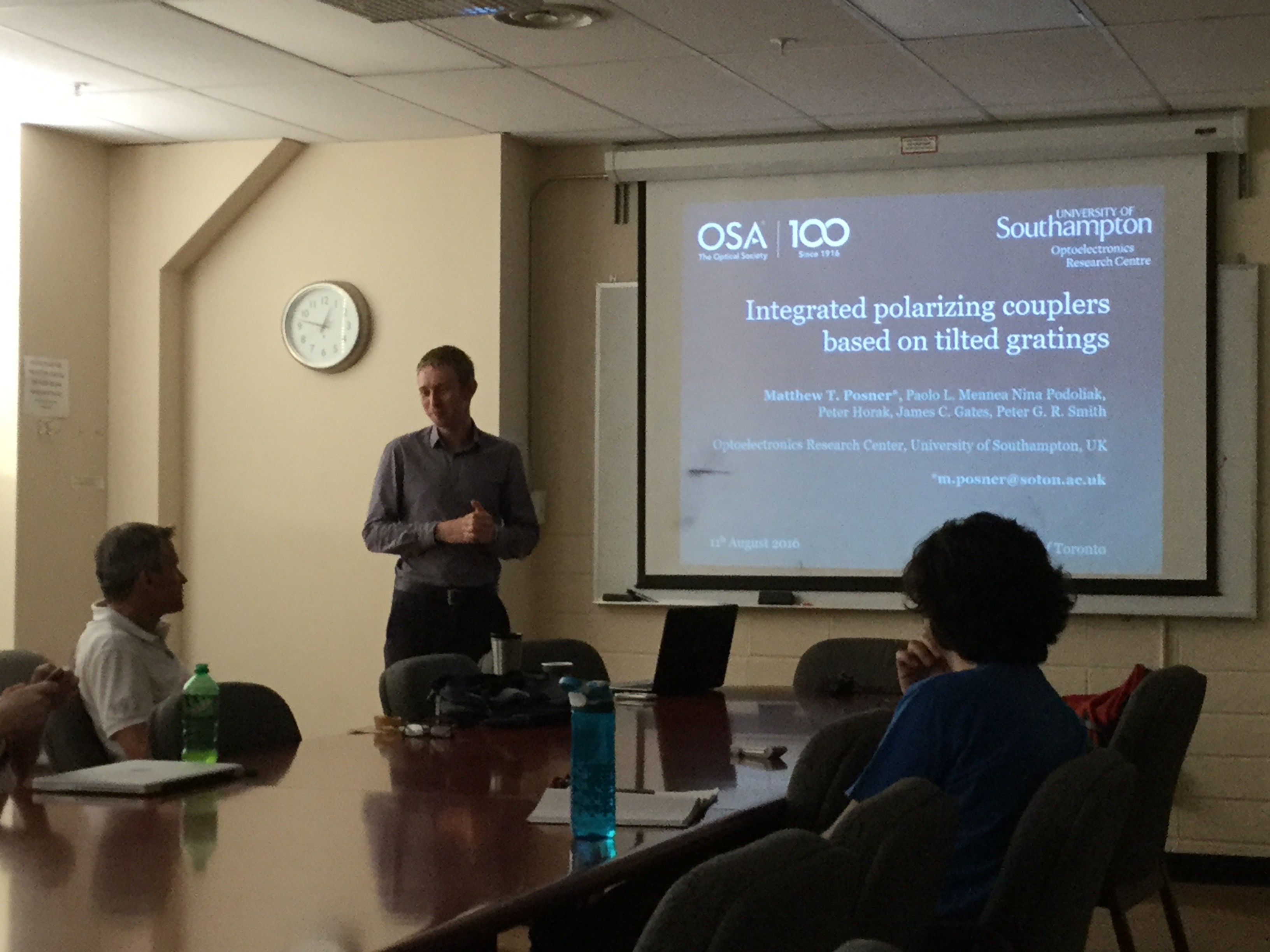
I came to Toronto prepared with a well-rehearsed research talk based on a presentation I gave last month in Vancouver, BC [1]. The researchers in Toronto employ very similar fabrication techniques to the ones I have been working on in Southampton, so I figured that there would be some learned opinions and tough questions. They didn’t disappoint. I had to do some convincing that the integrated photonics devices that I presented last year at a conference in Munich worked the way we expected them to [2]. I was thrilled that my talk turned into a discussion, with regular interruptions to find out more on various topics. It’s given me ideas to research, reflect on and explore when I return from my travels.
I met with Kevin, Zeinab and Ahmed, all graduate students and officers of the University of Toronto’s SPIE student chapter. We shared our experiences of running our respective societies. I was inspired by the professional development activities that they organised and took part in, events like international student conferences, and talks from world-leading academics, to name a few. After that, I presented to them the outreach kit that I am touring, and told them more about our Lightwave Roadshow that I have been leading/overseeing for the past 3 years in Southampton [3].
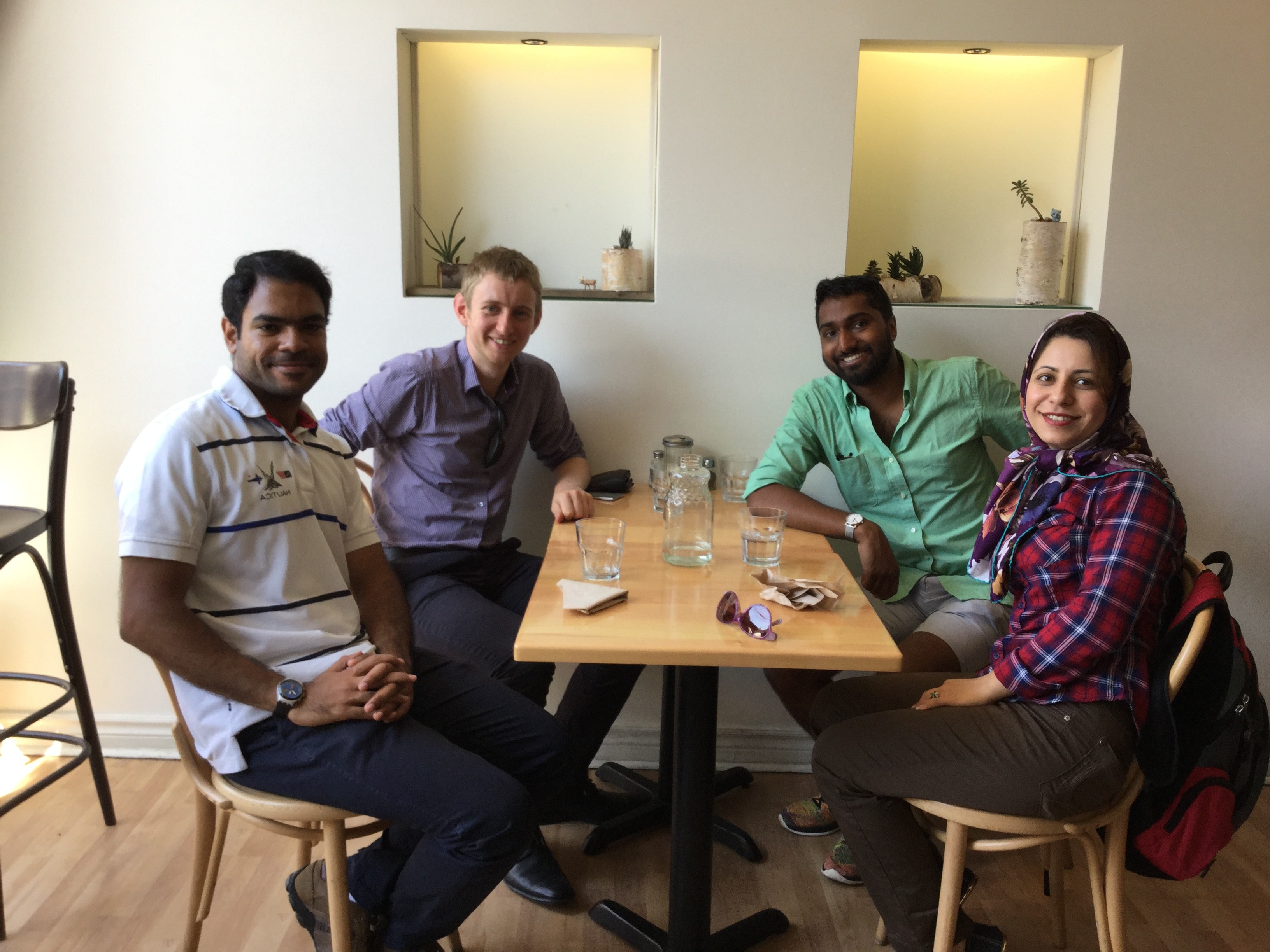
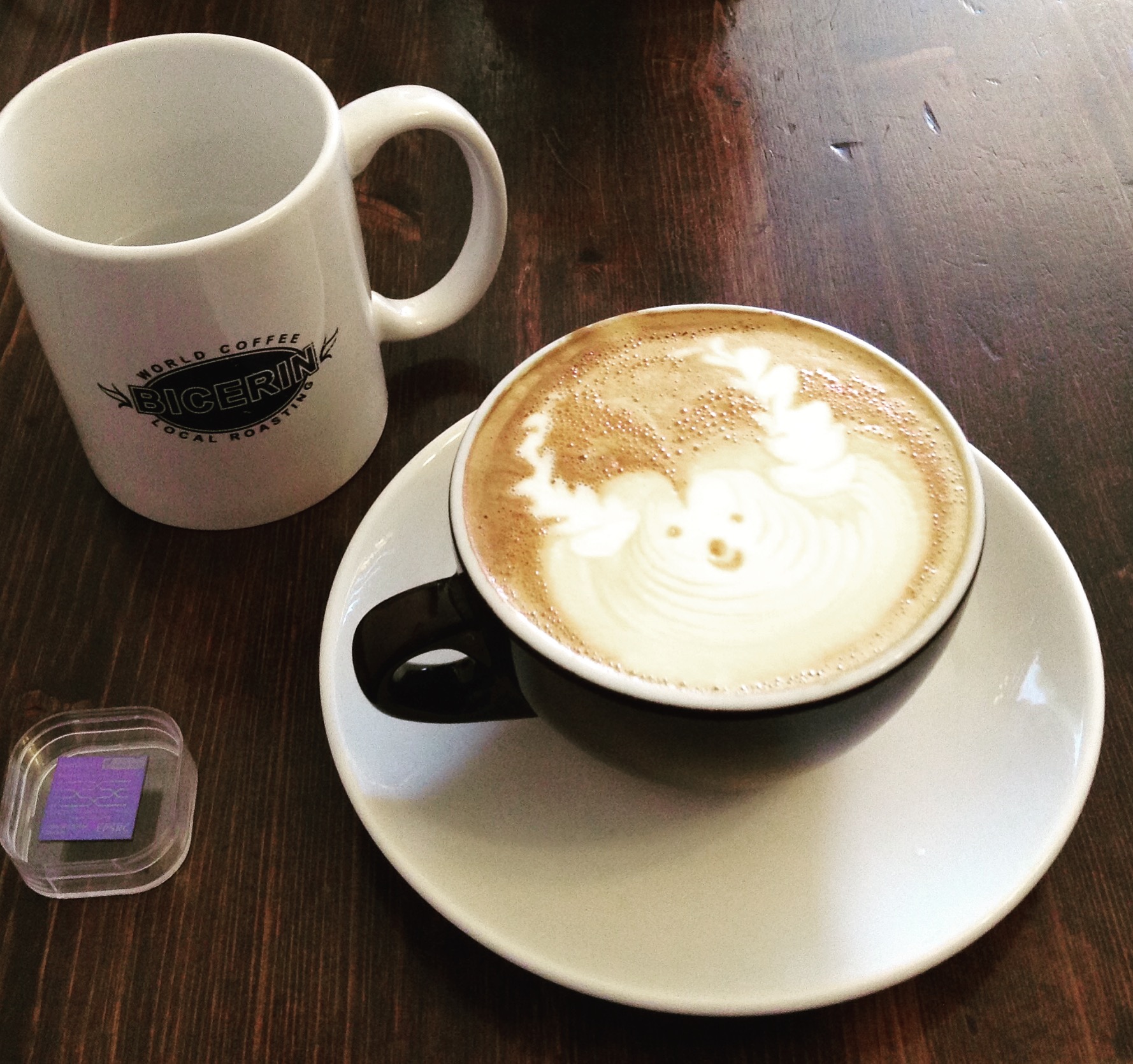
Thank you for the coffee, lunch, lab visits and the tour of the campus, it was an excellent day!
References
[1] M. Posner, P. L. Mennea, N. Podoliak, P. Horak, J. C. Gates, and P. G. Smith, “Integrated polarizing coupler based on tilted gratings,” in Advanced Photonics 2016 (IPR, NOMA, Sensors, Networks, SPPCom, SOF), OSA technical Digest (online) (Optical Society of America, 2016), paper IW3B.3; video and talk online (OSA members only)
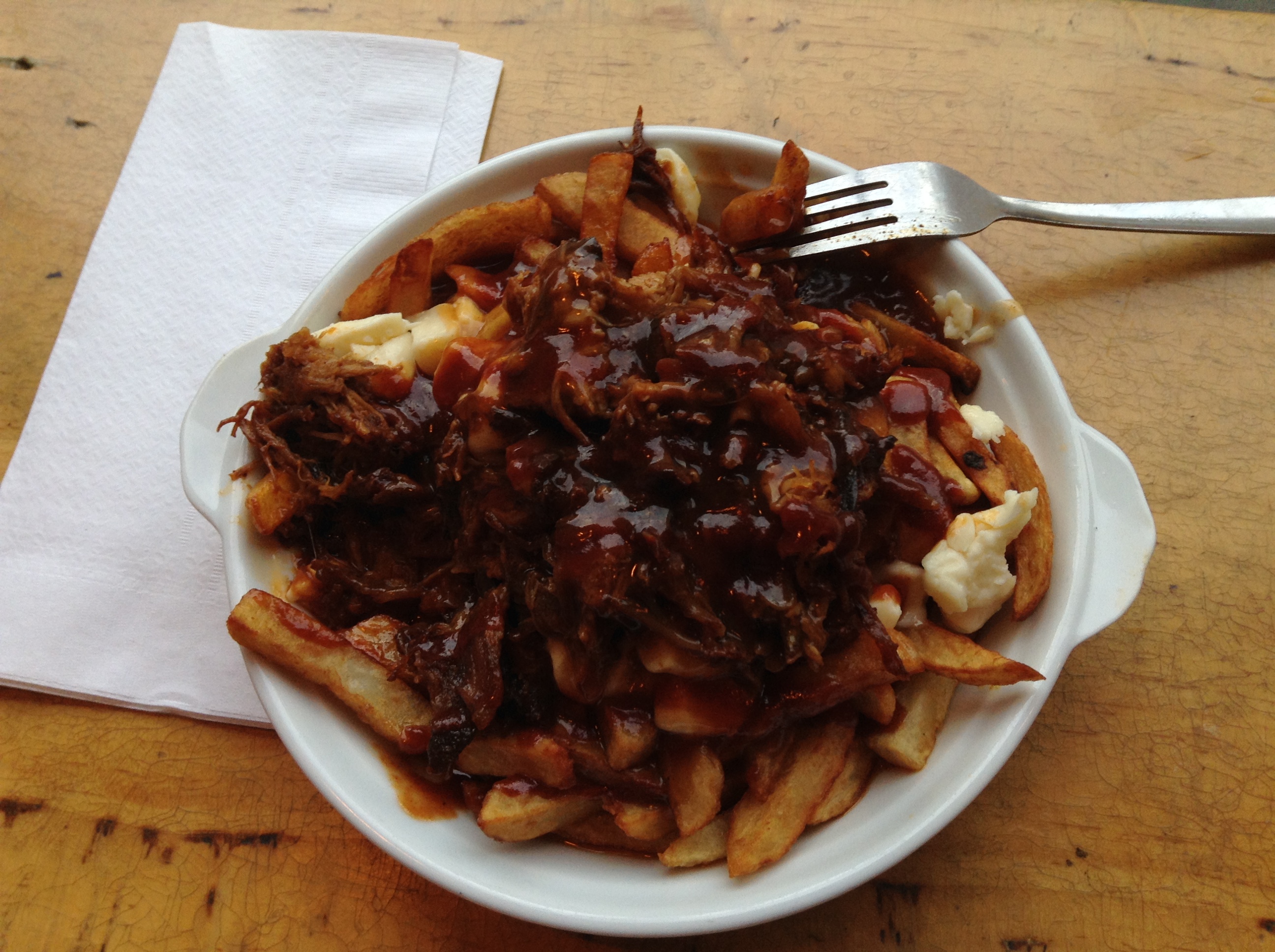
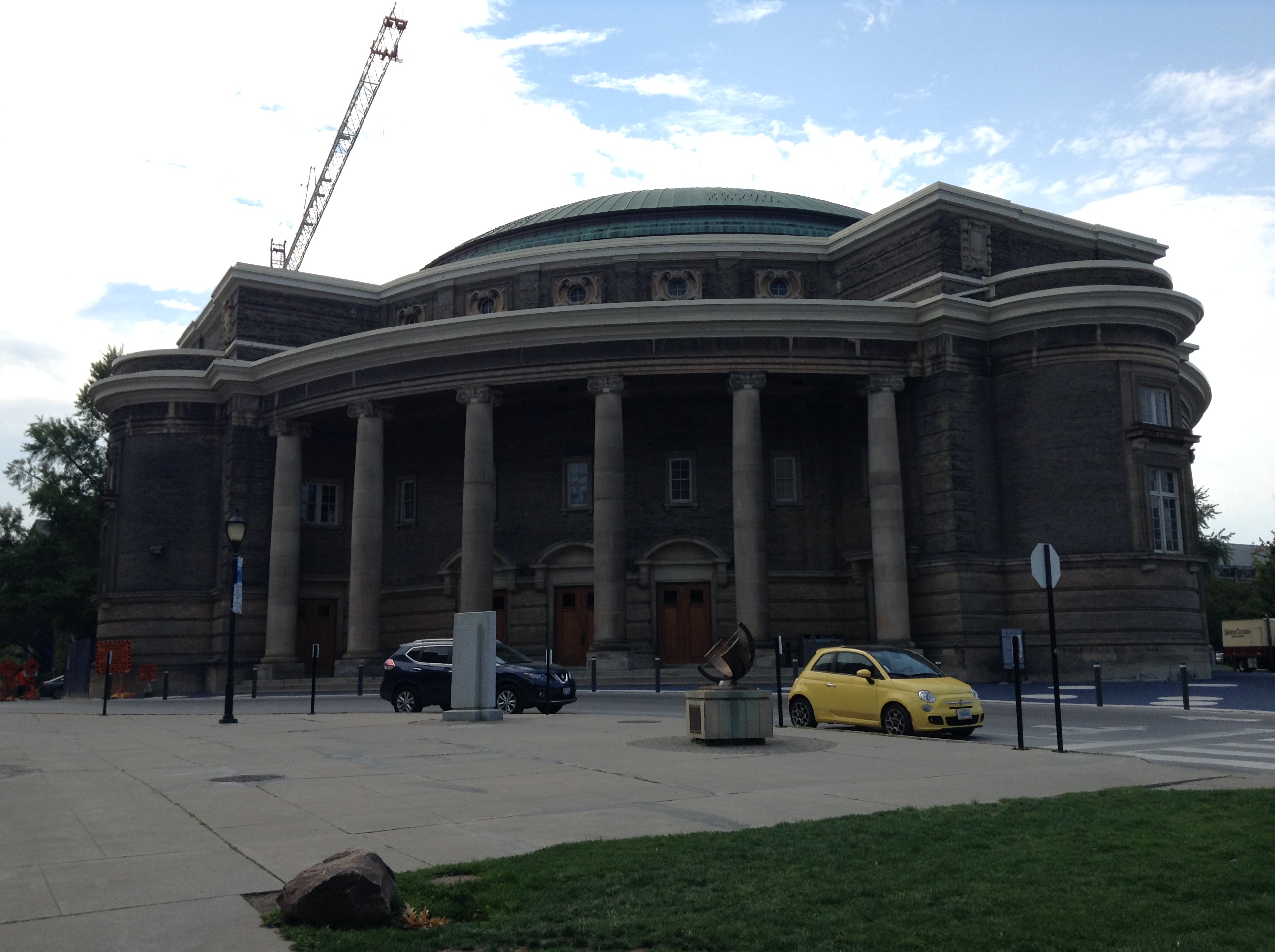
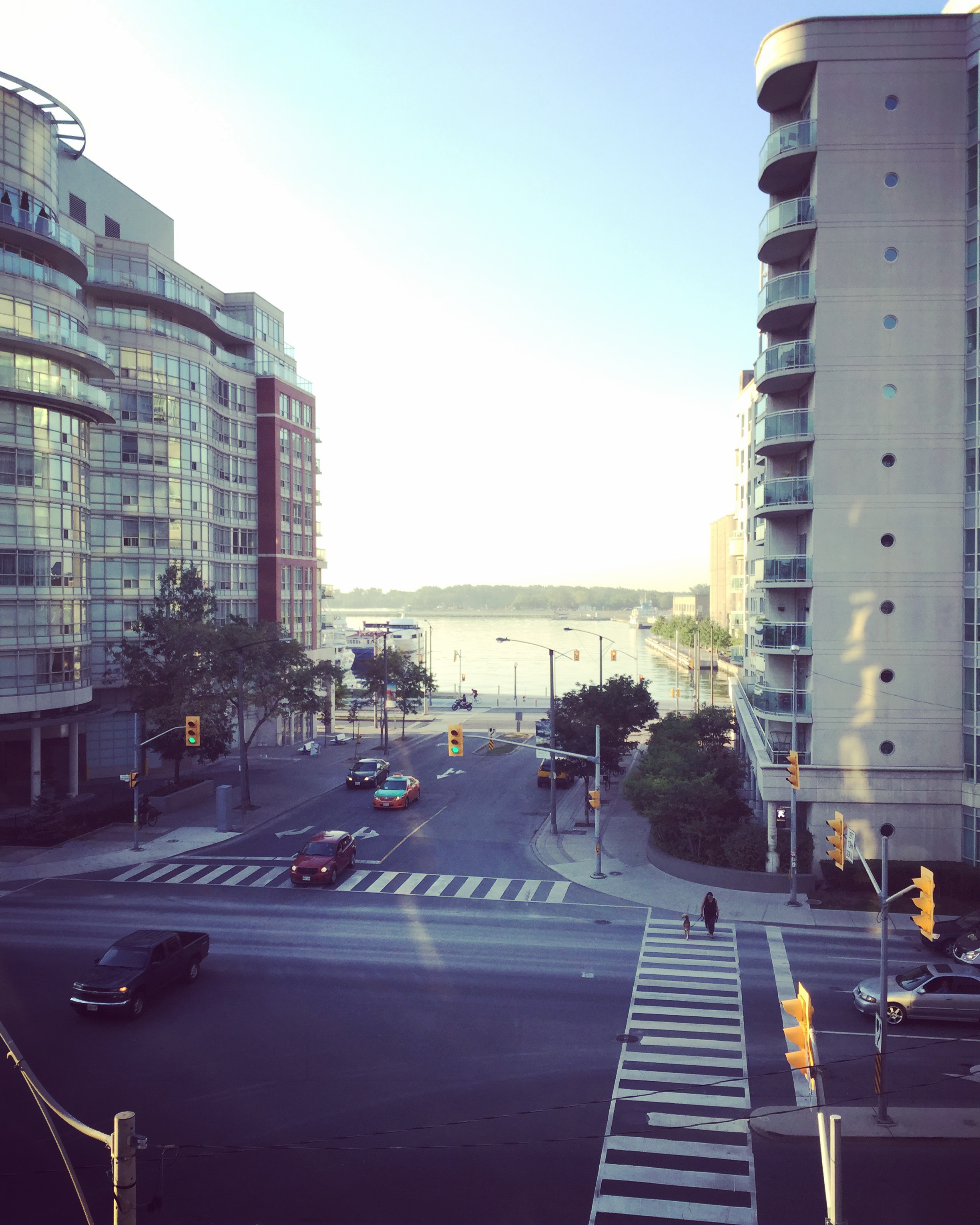
Bienvenue à ma gallerie du Québec et de l’Ontario! On parle français ici aussi!
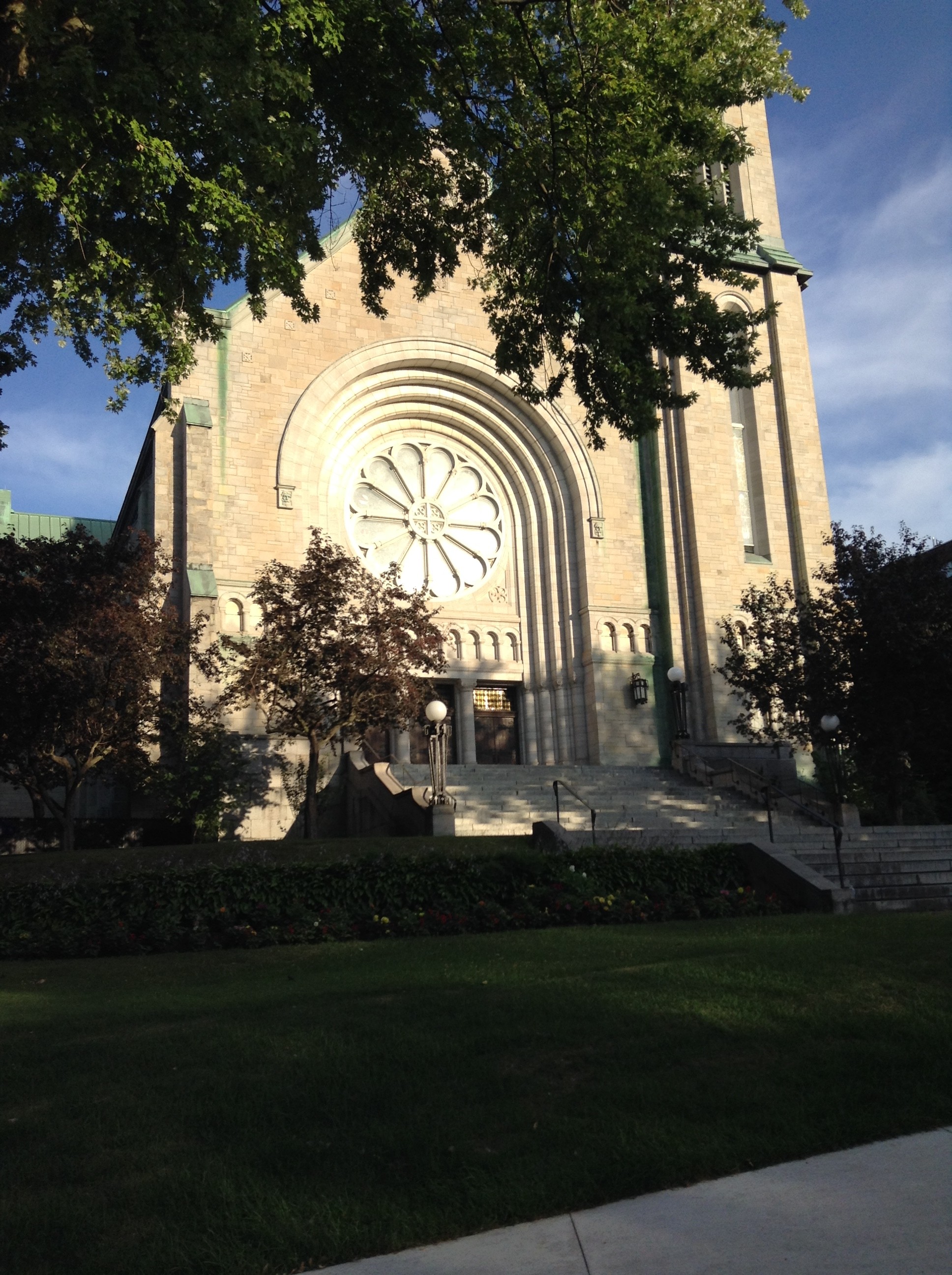
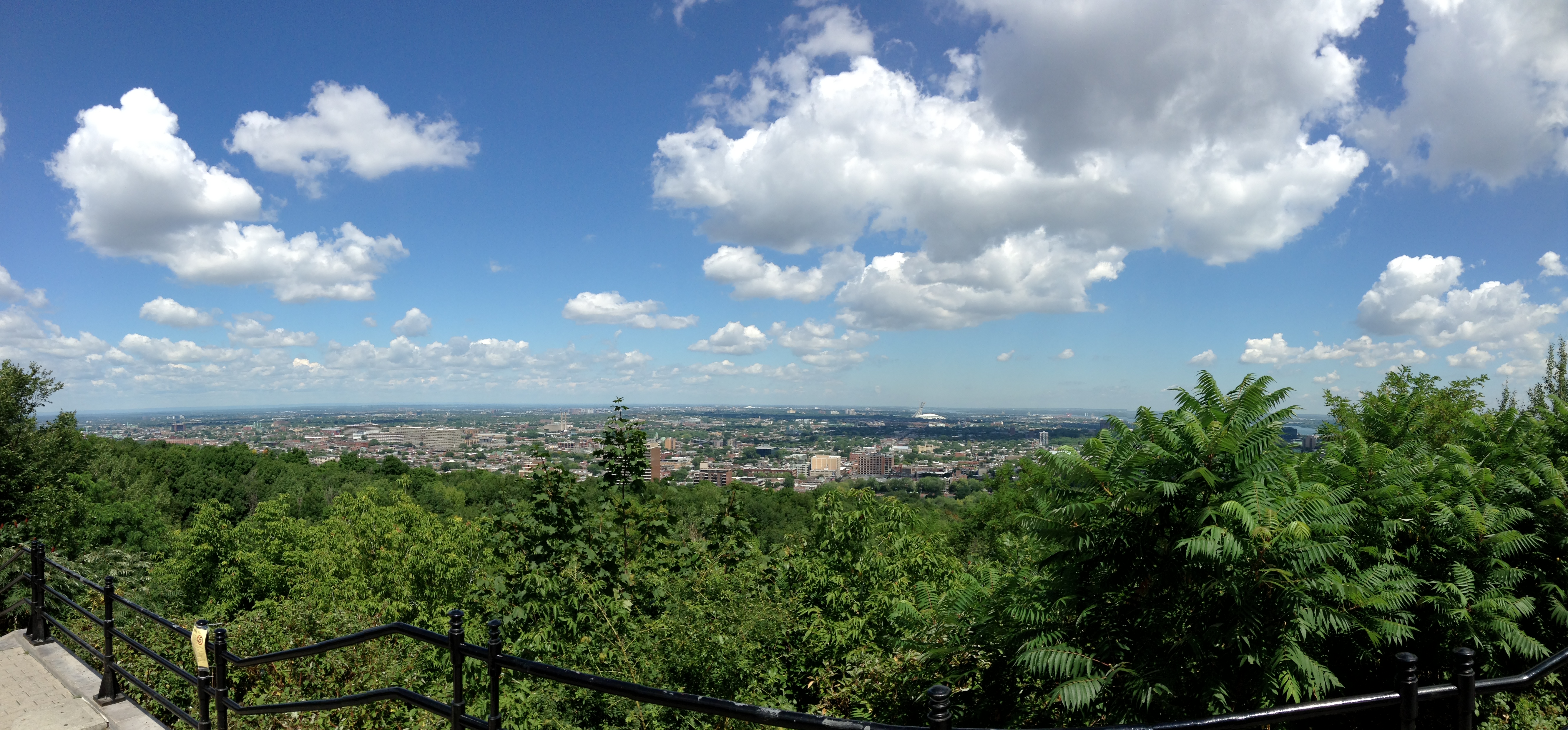
Welcome to my gallery of Ontario and Quebec! French spoken here too!
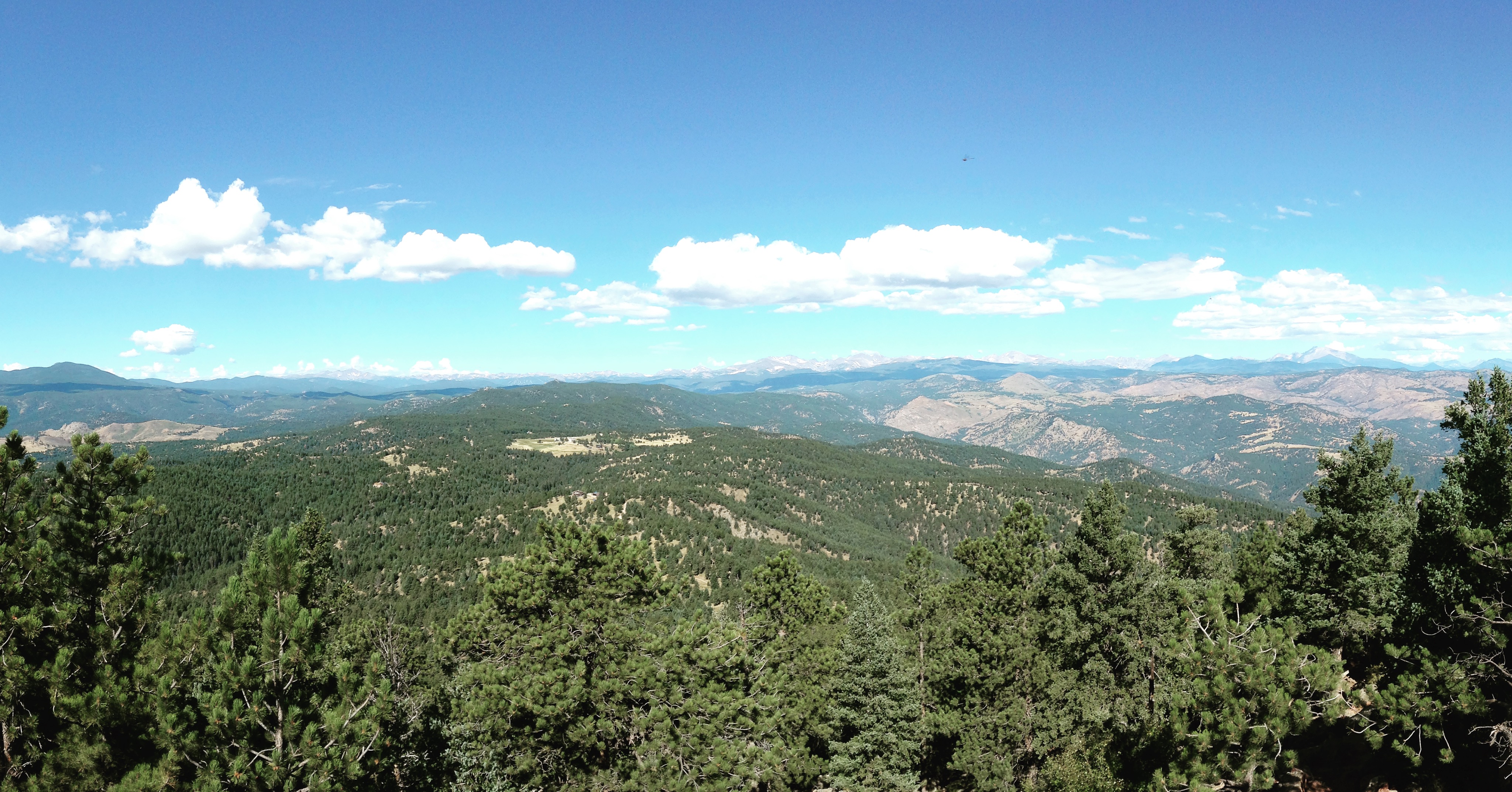
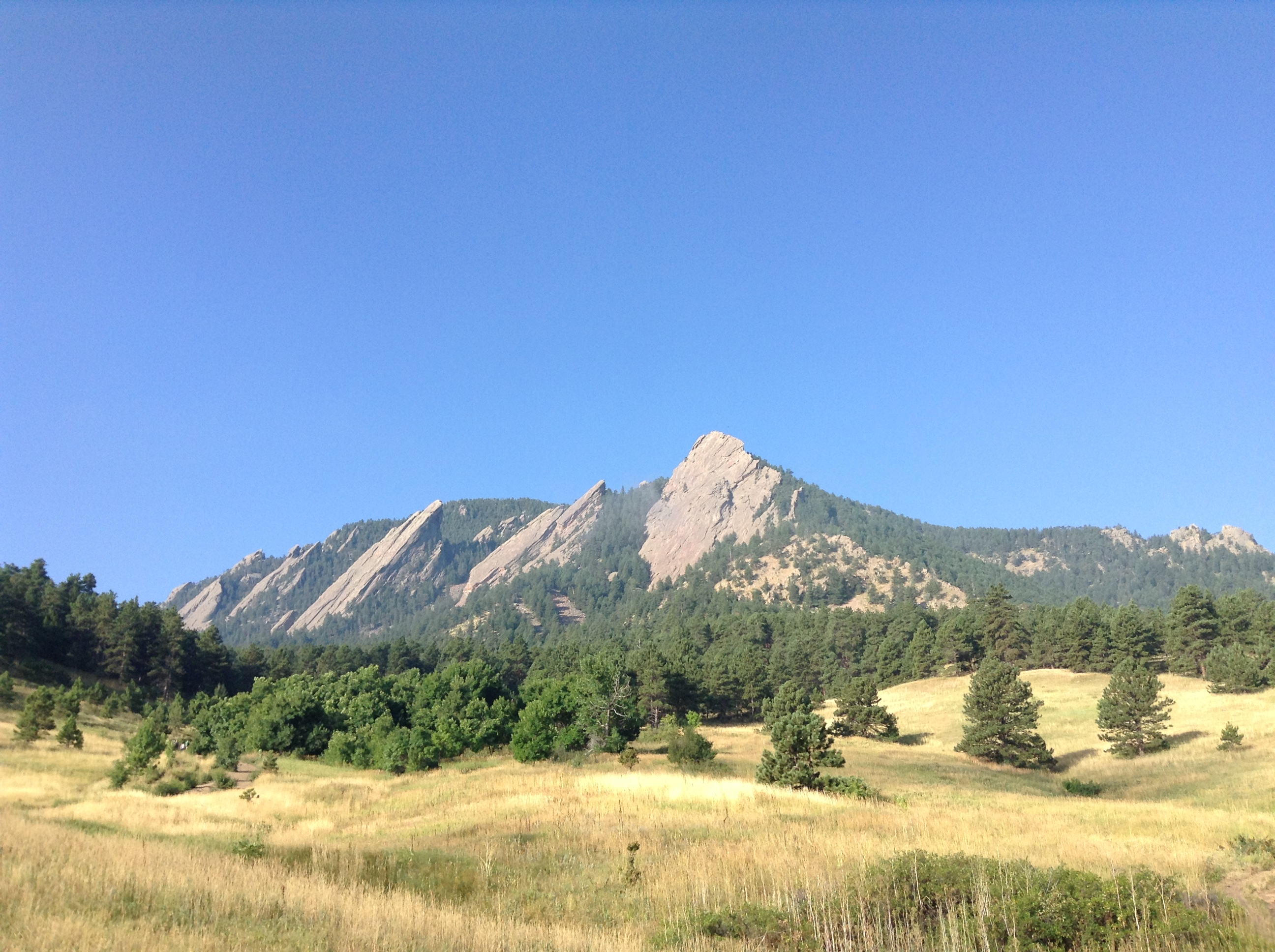
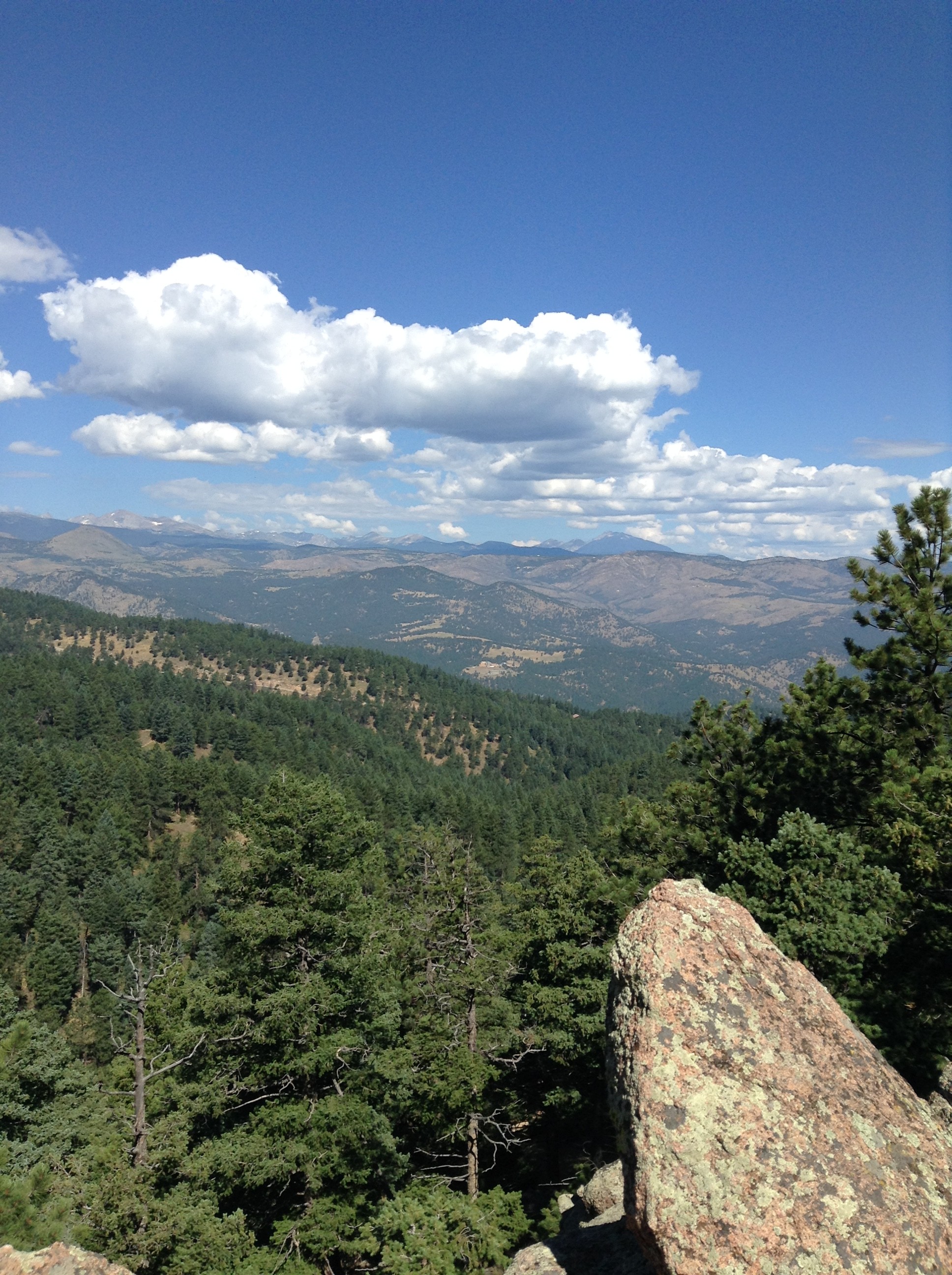
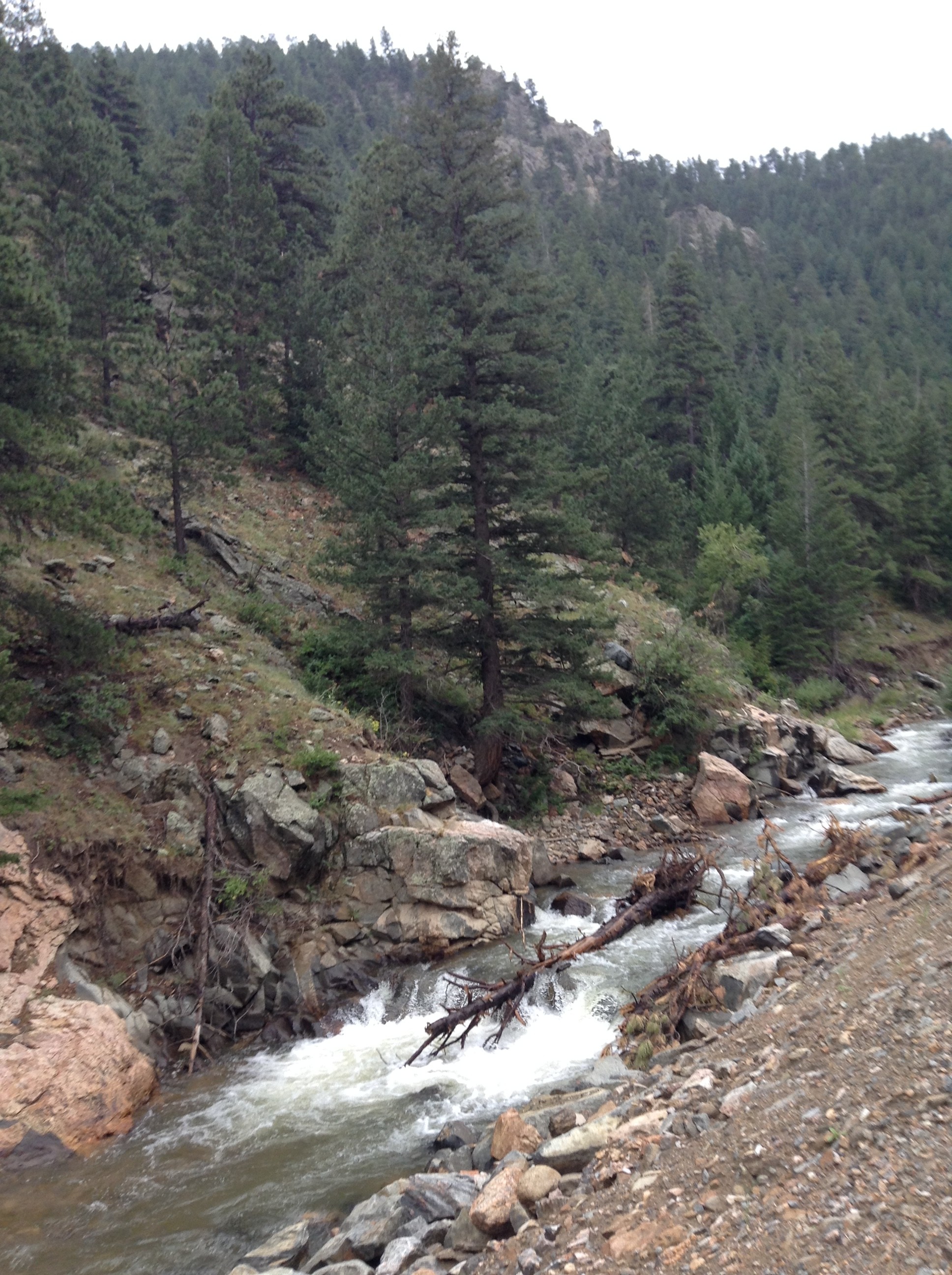
Boulder has been great. I hope you saw the pictures and my post about my visit to NIST.
Last Thursday I had a mini industry day. I started the day with coffee with David Giltner, product manager at Zolo technologies, and who I, and the University of Southampton Optics and Photonics Society, have invited to Southampton to give a talk to try and answer the question “Can a scientist find a rewarding career in industry?” That’ll be on September 13th, stay tuned!
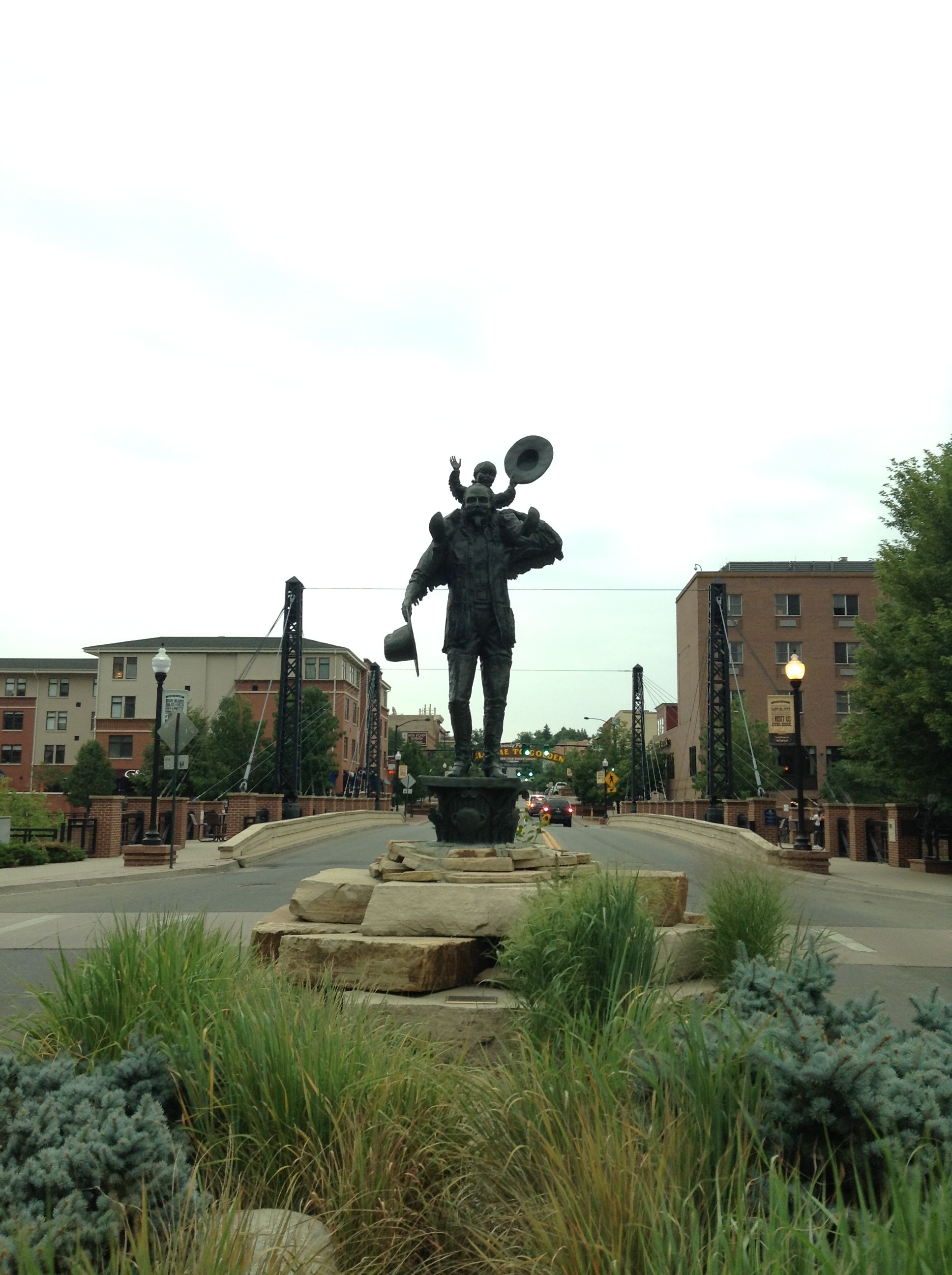
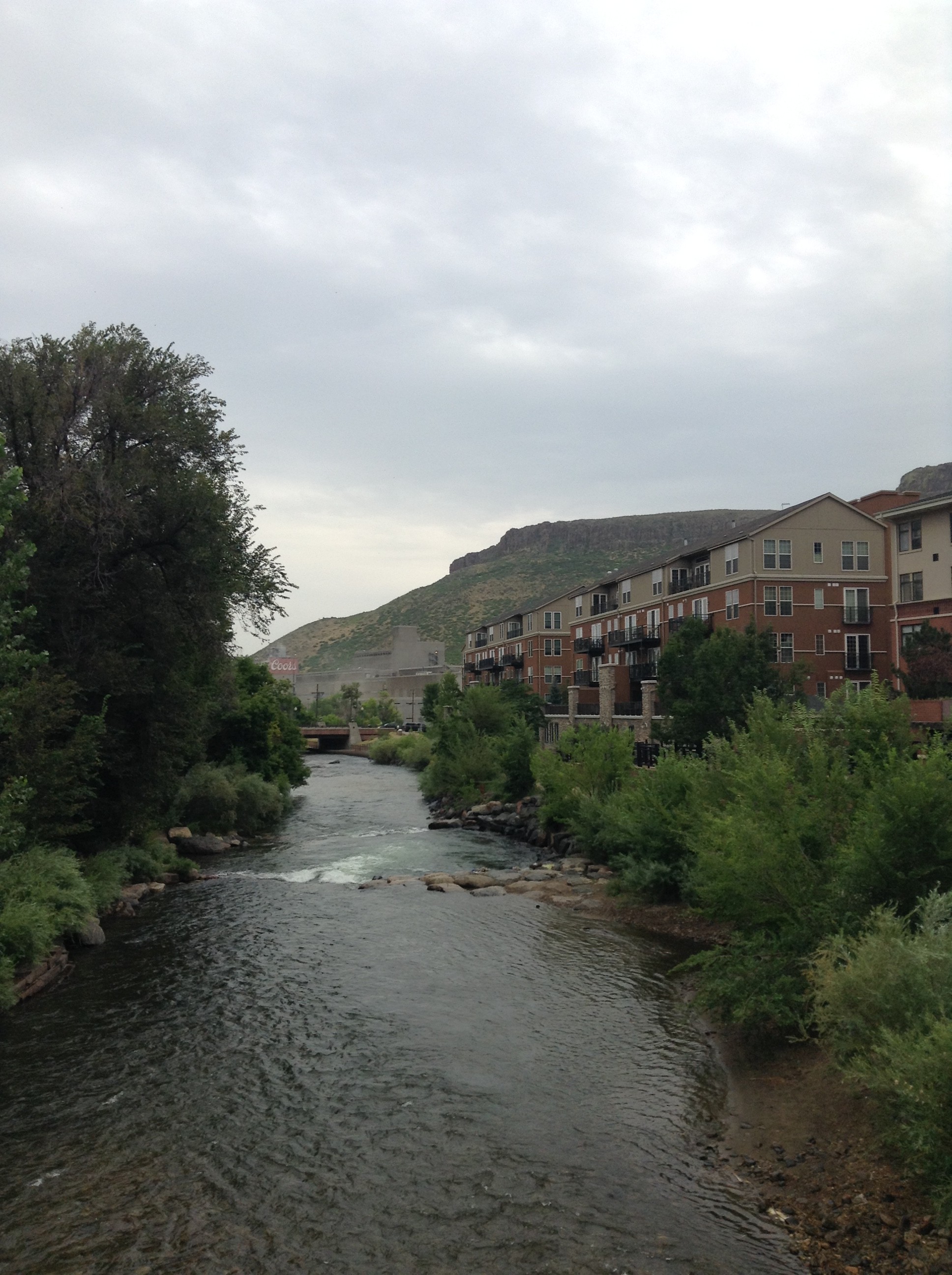
I followed up with a visit to Vescent Photonics in Golden. They, amongst other things, help take scientific ideas and make them into products. They are doing some really exciting work on packaging lasers, and I talked about some of the work that fellow PhD student Stephen Lynch is working on.
On Friday I visited the University of Colorado Boulder. Their OSA-SPIE chapter showed me around their labs. They are working on some really cool stuff, including portable LIDAR systems for remote sensing in water (see Rory holding his portable system below), optical filters (think light) that you can tune with acoustic waves (think sound) for spectroscopy imaging, and silicon photonics for light-based computing. It was great to meet the chapter, who organised for me to present my research. I also caught up on Monday to present the outreach kit I am touring.
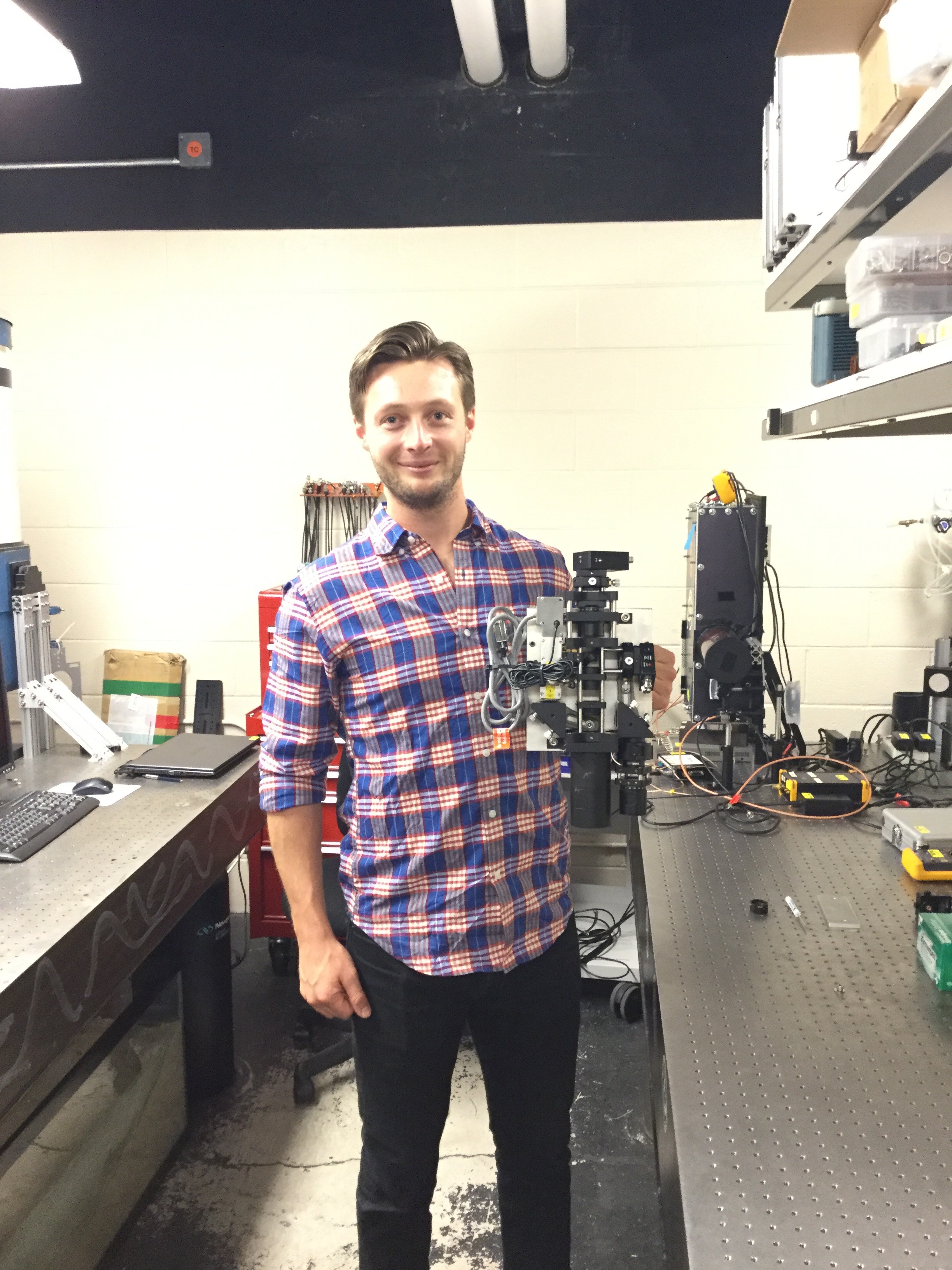
Scientists and engineers love acronyms. Who can guess what ARSNL and SQUIDS stand for?
Here they are:
ARSNL: Active remote sensing lab
SQUIDS: Superconducting quantum interference devices
It’s not all people though. What’s kept me from writing here has been writing up two papers that I will be presenting at the SPIE Optics Education and Outreach conference that I’m attending in San Diego at the end of the month. Last week was spent writing in every possible break and 12+ hours day at the weekend. Thankfully I have a brilliant group of co-authors to review my words, and it was all submitted by Monday.
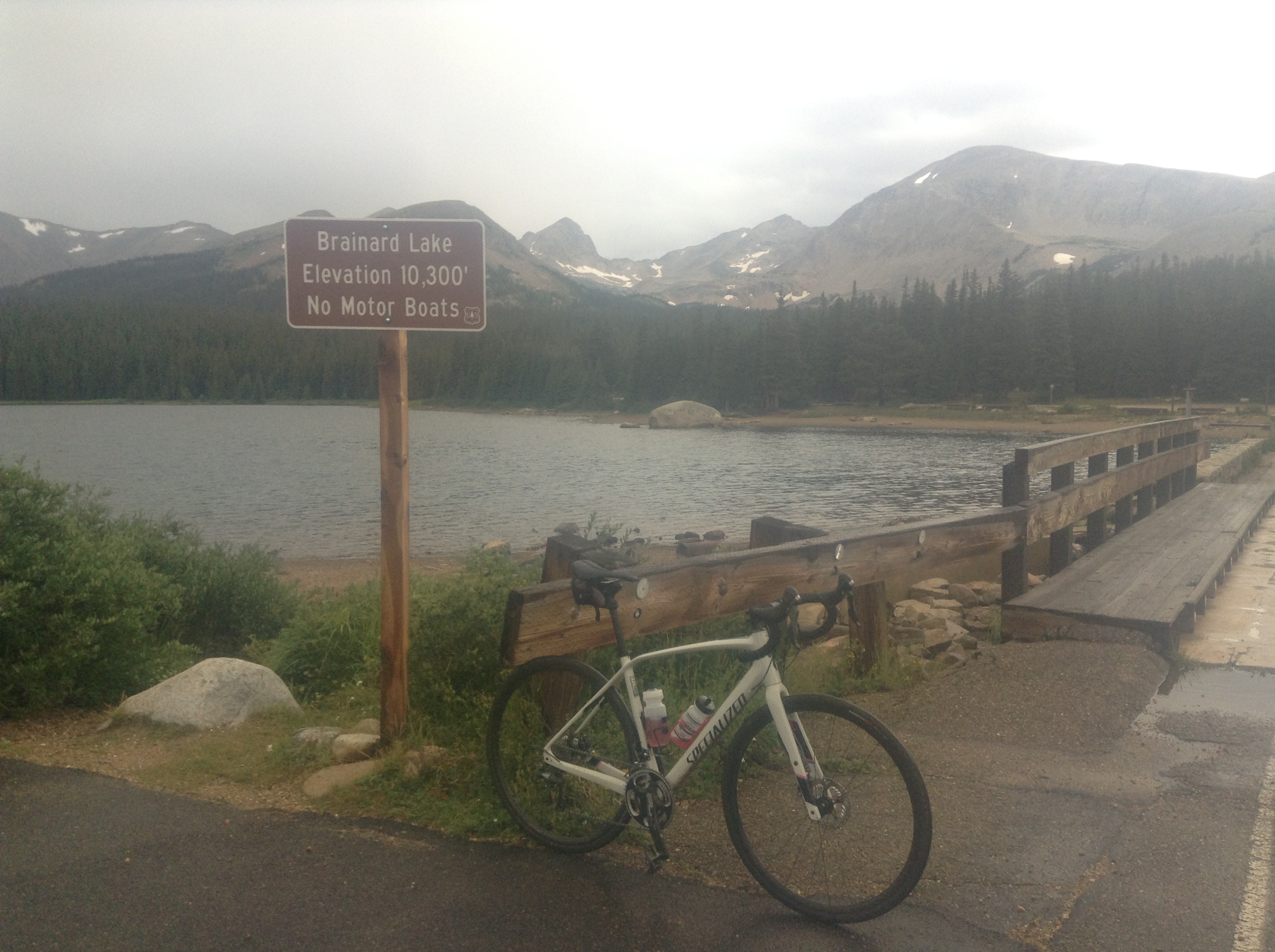
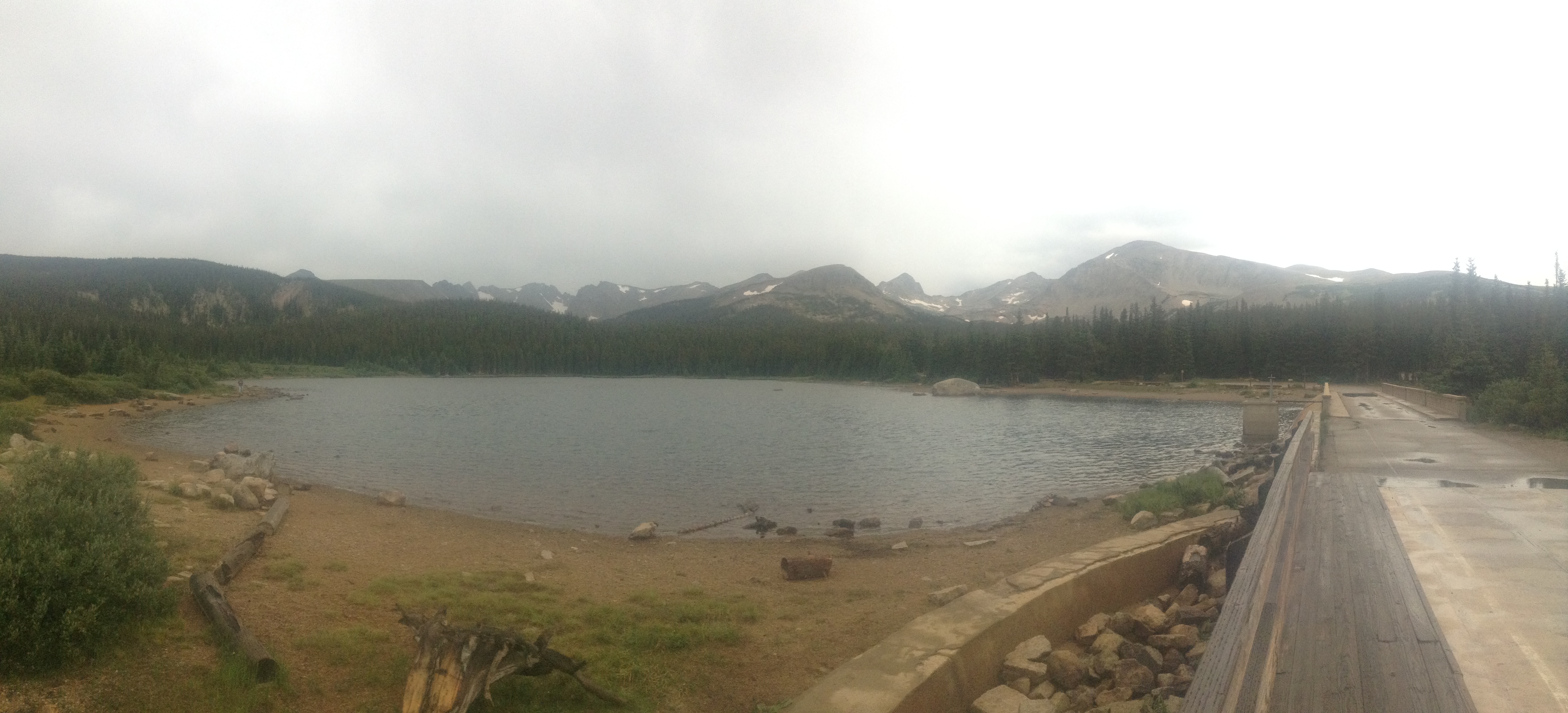
I felt like I deserved a break on my last day in town and headed out for a bike ride. It was a glorious day, pushing my body and bike up over the top of mountains. Super happy to have ridden to above the 3,000 metre mark. The descent was totally worth it though, as was the beer and pizza after!
Next up is Toronto. Hope you can tune in. You can now subscribe to updates to not miss any of my posts or gallery updates.
Thanks again for following!
 International Photonics and Outreach